
What stallholders usually need on market day
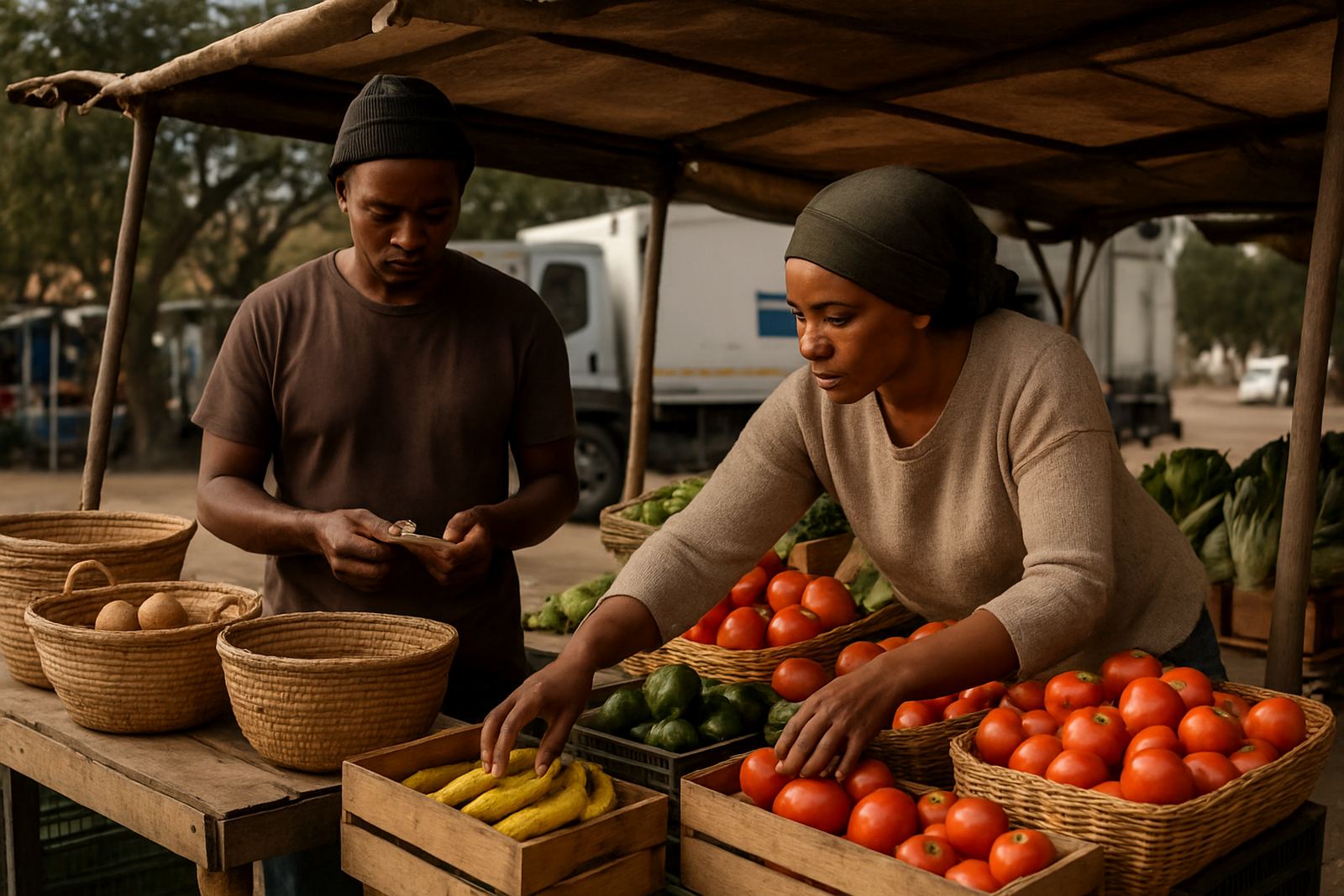
A good market stall has to work in wind, heat and a short setup window. Most traders need a small set of items that make the table look organised and help customers read prices fast. That often includes a pull-up banner or PVC banner, a hanging price list, branded table front panels, product labels and a few vinyl stickers for tubs, crates and packaging.
For fresh produce, baked goods, crafts and handmade items, the print should survive handling and be simple to wipe down. If your stall changes every week, we can keep the layout flexible so you can update prices without redoing the whole display. That saves money and keeps the look consistent from one market to the next.
- Portable banners for a front table or back wall
- Price cards and shelf labels for small items
- Branded table graphics for cloth or hardboard fronts
- Vinyl stickers for jars, boxes, bags and packaging
- Lightweight signs that pack flat and store easily
Choosing print that travels well
Market stall gear has to go in and out of the car, and sometimes into a bakkie with boxes, gazebos and folding tables. We usually advise materials that hold up to regular packing and unpacking without cracking or curling. For outdoor markets in Paarl, Wellington and Stellenbosch, laminated prints and vinyl cut lettering are practical because they cope better with dust, damp mornings and strong afternoon sun.
If you trade near the coast or in humid weather, keep in mind that some paper items can soften if they are not protected. A wipeable print finish helps when there is dust from parking areas or a bit of drizzle before the crowd arrives. For windy sites, it is often better to use eyelets, clamp systems or rigid boards instead of loose sheets that flap around.
- Laminated price boards for repeated use
- Board mounting for a neat, upright presentation
- Banner finishing with eyelets or hems for quick hanging
- Window frosting or contra-vision for stall trailers and fitted vehicles
- Vehicle magnets for traders who move between venues
Planning the layout so people can read it fast
At a market, people decide in seconds whether to stop. Your main sign should be visible from about 3 to 5 metres, while prices and product names should still read clearly at close range. If the stall is busy, place the biggest message high up and keep the smaller details near eye level or just above the table edge.
We often help stallholders split the message into layers. One banner can carry the name of the business, while smaller cards list flavours, sizes or special offers. That way you are not crowding one board with too much text. It also helps when the stall changes shape, because the parts can be moved around without reprinting everything.
- Use one main heading and keep the wording short
- Put prices in a clear size, no tiny print at the bottom
- Leave space around logos and product photos
- Match the table cloth, banner and labels so the stall looks planned
- Think about where customers queue and where they stand to pay
Common mistakes that cost market traders money
One common mistake is printing everything too small. Another is choosing colours that look nice on screen but disappear in bright sun. Black on dark blue or pale grey on white can be hard to see, especially when customers are standing back from the table. We also see stalls with too much text, which slows people down and makes the display feel cluttered.
Another problem is reprinting from a photo of an old sign instead of sending the original artwork. That can lead to fuzzy logos, misaligned text and uneven sizes. If your prices change often, it is smarter to keep a master layout and update only the lines that change. It saves time and keeps the stall looking tidy.
- Too many fonts or mixed styles on one banner
- Using low quality photos that print blurry
- Forgetting wind points or fixing holes for outdoor use
- Choosing materials that are too heavy for frequent transport
- Not allowing for updates when prices or stock change
Budget ranges for stall print work in Rand
The budget depends on size, material and how often you plan to reuse the item. A simple set of laminated price cards may start at a few hundred Rand, while a larger branded banner or table front can move into the low thousands. If you need installation, board mounting or a more complex stall display, the price rises with the size and finish.
As a guide, small repeat items are usually the most affordable way to start. A first-time stall setup might include a banner, a set of price cards and a few stickers for packaging. That gives you a proper look without tying up too much cash before you know how the market performs. We can also update existing signs, which is often cheaper than remaking everything from scratch.
- Small laminated price cards and labels: from a few hundred Rand
- Single PVC or fabric banner: often in the mid hundreds to low thousands
- Branded table graphics or board panels: usually from the low thousands
- Stickers, magnets and small add-ons: priced per size and quantity
- Reprints and updates: generally less than a full new setup
How Catprints and Signs helps stallholders across the Boland
We work from Paarl and serve Wellington, Stellenbosch, Franschhoek, Worcester and Malmesbury. That matters when you need something practical and ready on time, because market work is often last minute and the event date does not move. Our studio and prepress team checks artwork, then the wide format print and sign team prepares the right material for the job.
Typical stall work includes graphic design, artwork checks, large format printing, vinyl cutting, lamination, banner finishing and sign installation where needed. If you have a trailer, a fold-out table or a fixed stall wall, we can suggest the easiest fit. For riders and drivers who sell at more than one venue, we can also make magnets, decals and quick-change graphics so the same brand carries through from one market to the next.
When you send an enquiry through the contact form, include the stall size, a rough photo if you have one and the list of items you want displayed. That helps us plan the layout and quote the right mix of print pieces without adding extras you do not need. A clean stall sells better and it is easier to pack away at the end of a long day.