
Choose the card size that fits your trade
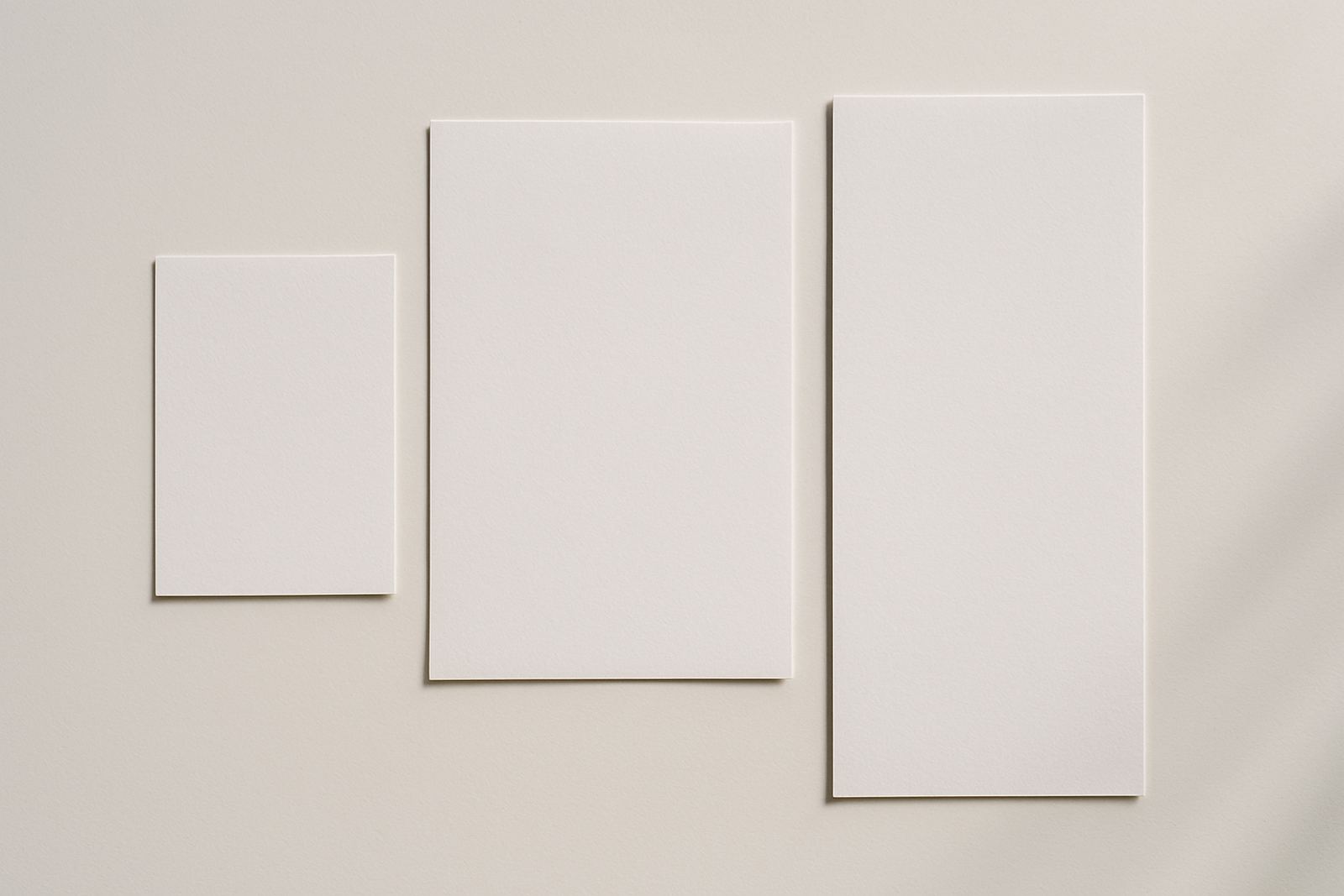
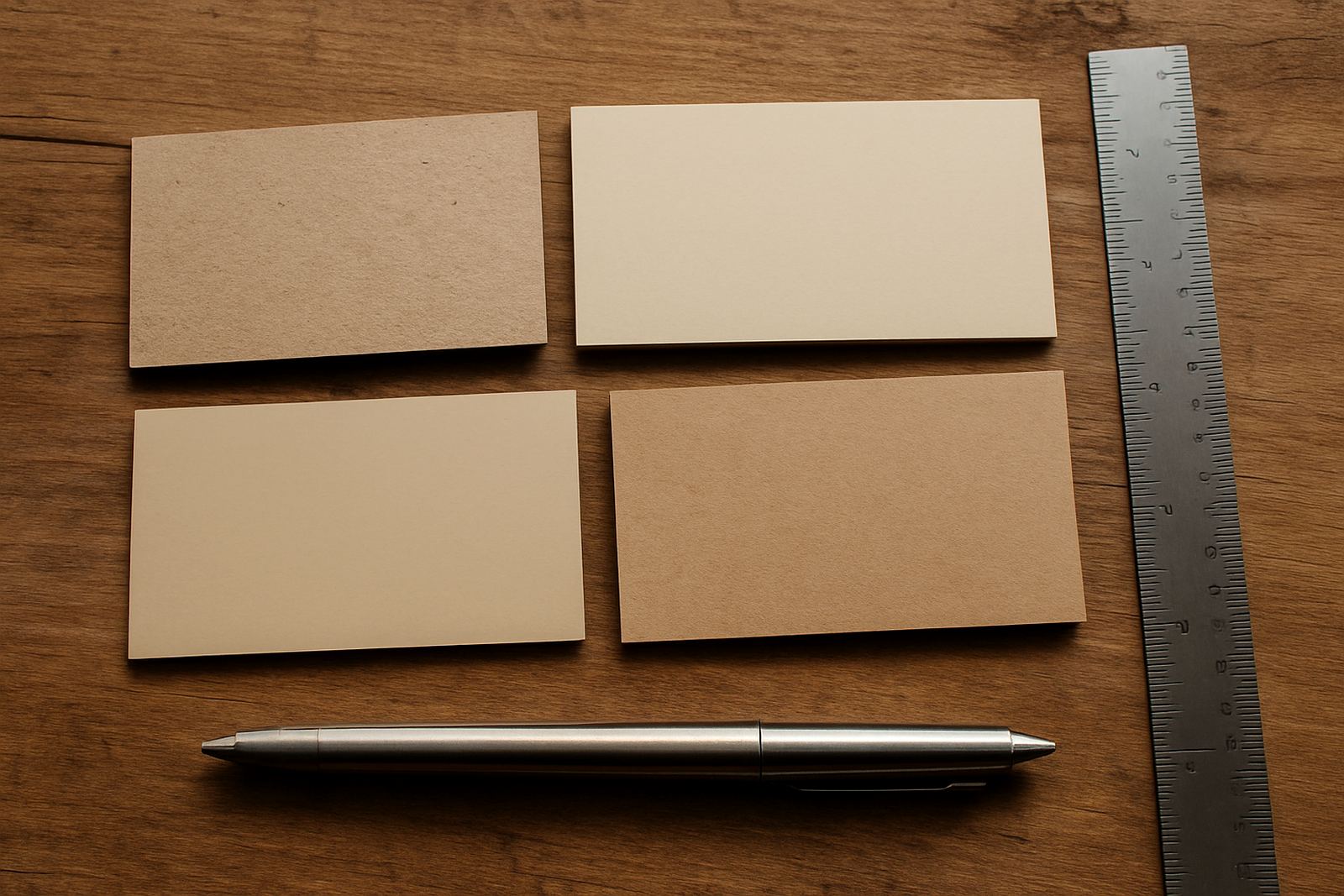
The common business card size is 90 x 50 mm, which fits neatly into wallets, card holders and glove boxes. It is the safest choice if your cards will be shared at sites, on the road, at market stalls or after customer visits in Paarl, Wellington and the wider Boland. If you want a little more room for a logo, service list or QR code, a square or slightly larger format can work but it must still feel easy to keep.
For local businesses, the best size is often the one that survives real use. A card handed out after a vehicle quote in Stellenbosch should still be readable after it has been folded into a pocket. Keep key details clear and avoid filling every corner just because space is there. A clean card looks more organised and usually gets kept longer.
- Standard size: 90 x 50 mm
- Keep the main contact details on one side if possible
- Use larger type for names, numbers and service categories
- Leave space around the edges so trimming stays tidy
Pick a finish that suits how your cards will be handled
Finish changes both the look and the lifespan of a card. A matt finish gives a neat, low-glare look and is easy to write on if you need to note appointments or job details. Gloss can make colours pop, but it can also show fingerprints and glare under bright workshop or shop lights. For tradespeople and drivers, a laminated finish adds more protection against rain, grease and repeated handling.
If your cards need to be written on, avoid heavy laminate on the writing side. If the card is mostly for brand impression and contact details, a tougher finish is worth it. In coastal areas like Langebaan side or anywhere with humidity, finished cards should be stored flat and dry, otherwise the corners can curl. That is a small detail but it makes a big difference when a customer pulls a card from a stack later.
- Matt for a clean, easy to read result
- Gloss for stronger colour impact
- Soft laminate for extra handling resistance
- Uncoated stock where writing space matters
What to include so the card actually gets used
A business card should answer the basic question quickly: who are you, what do you do and how does the customer reach you. For local businesses, the most useful cards carry the business name, person’s name, job title if needed, contact number, physical area served, and a short list of services. If your work covers Paarl, Wellington, Franschhoek or Worcester, say so plainly. That helps when a card gets passed from one person to another.
Less is usually better. Too many details make the card cluttered and harder to read. A small map is rarely necessary unless you have a retail shop that visitors must find. If you use a QR code, make sure the link goes to something useful like directions, a quote form or your main contact page. A QR code should save time, not confuse people.
- Business name and logo
- Contact person and role
- Phone number and other preferred contact details
- Service area or town names
- Website or QR code if it helps customers act quickly
How many cards to order without wasting money
Order quantity should match how often you meet new customers and how many people on your team hand out cards. A small contractor who quotes a few jobs a week may only need a modest run, while a sales team working across the Boland will use cards much faster. If your details change often, do not order too many at once because reprints and updates become costly when a number or service changes.
For many local businesses, 250 cards is a sensible starting point. If the cards are for a team, 500 or 1 000 can make more sense because unit cost drops as the quantity rises. It is often better to order enough for three to six months, then review what worked. That way you can adjust the wording, finish or layout before the next run. Wasted cards are just stock sitting in a drawer and money that could have gone into signage or marketing.
- 250 for a small, steady flow of handouts
- 500 for active sales or field teams
- 1 000 for busy businesses or multi-person teams
- Reorder sooner if you expect a phone number or service change
Artwork checks that prevent costly print mistakes
Good artwork is not only about looking sharp, it also avoids delays and reprints. Before sending a card design to print, check spelling, numbers, spacing and image quality. Make sure the logo is clear, the text is big enough to read, and nothing important sits too close to the trim edge. If your card has a dark background, white text may look strong on screen but must still print cleanly on paper.
For local clients, one of the most common issues is crowding. People try to fit every certificate, service and number on a small card. Keep it practical. A card for a vehicle installer in Malmesbury needs different emphasis to a card for a boutique in Franschhoek. We can check artwork before printing so the layout suits the actual use of the card, not just the screen preview.
- Check all phone numbers and spelling twice
- Keep logos in high quality format
- Allow enough space from the cut line
- Use colours that still read well in print
A simple ordering checklist for local businesses
Before you place an order, decide where the cards will be used, who will carry them and how long you need them to last. A business that works on sites around Paarl and Wellington may need a tougher finish than a reception-based service. Think about whether the card will be left at tills, handed out at markets, slipped into invoices or stored in vehicles. That changes the best size and stock choice.
If you are launching a new service or updating your details, ask for a fresh artwork check. Small changes like a new number, a revised area list or a new job title are easy to miss when you are in a rush. It is better to slow down once than to print 1 000 cards with the wrong details. A careful order saves time later and keeps your name looking professional from the first handover.
- Confirm size, finish and quantity
- List the exact details to appear on the card
- Decide if cards need to be writable
- Check whether you need a quick reprint option later
- Approve the layout only after you have read every line