Start with how the flyer will be used
The best flyer size depends on where it will be handed out and how much information must fit on the page. A special at a shop counter in Paarl does not need the same space as a price list dropped into letterboxes in Wellington or an event handout for the Boland. Start with the job, then choose the size.
For quick offers, opening specials, or a single clear message, smaller sizes work well. For maps, multiple products, service menus, or detailed promotion packs, you need more room so the page does not feel cramped. If the flyer must live on a fridge door, pinboard or in a glove box, keep the format easy to keep and easy to read.
- Handouts at traffic lights or markets: compact sizes are easier to manage
- Letterbox drops: choose a size that posts neatly and reads fast
- Counter display: a larger size gives better impact and less clutter
- Menus and service sheets: use bigger formats if there is more than one offer
Common flyer sizes and when they work best
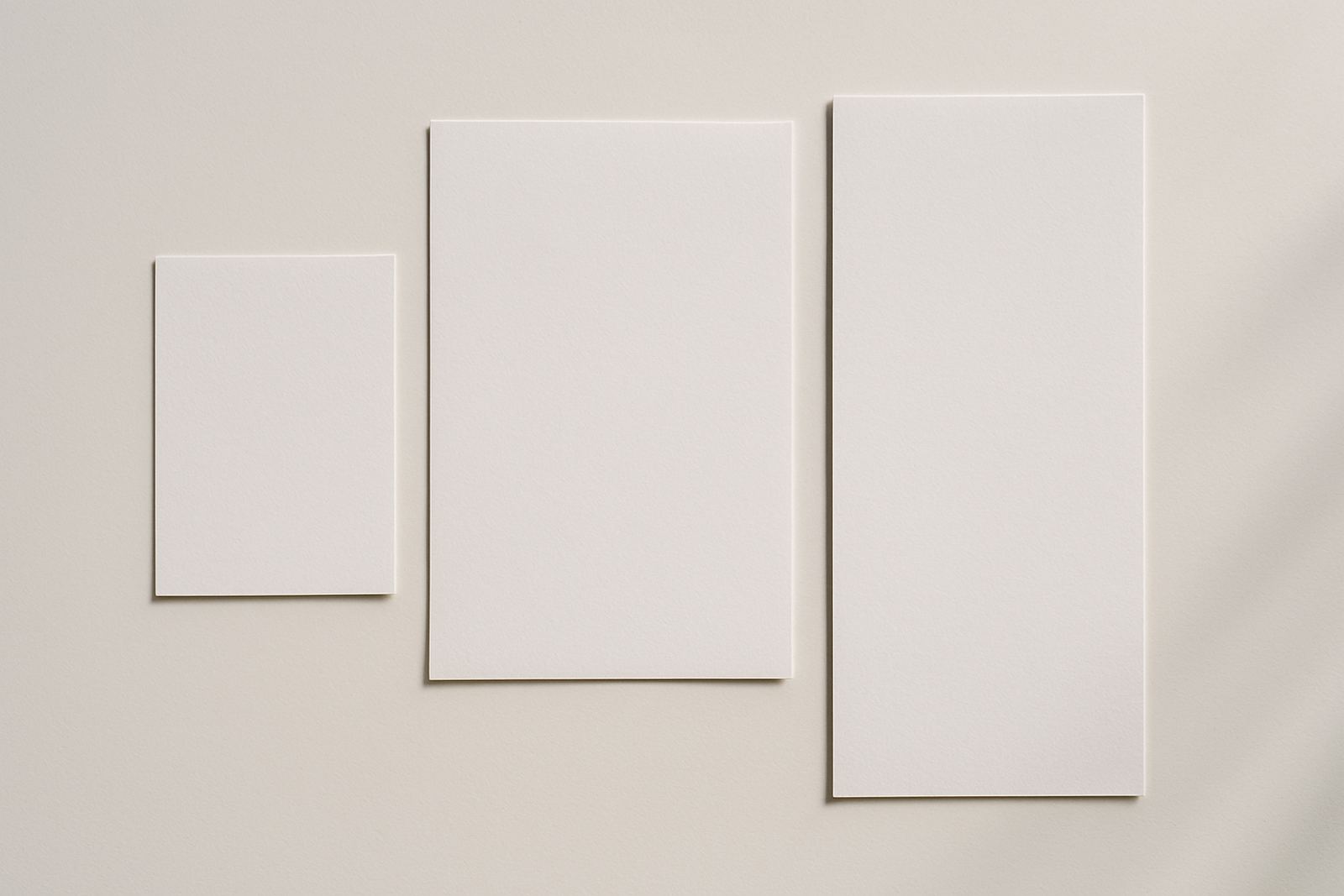
Flyers are usually printed in a few standard sizes, and each one suits a different type of promotion. A6 is small and handy for coupons, single offers and wallet inserts. A5 gives more breathing room for a short list of services or a few product images. A4 is useful when you need proper detail, especially for price lists, booking sheets and handouts with maps or terms and conditions.
For many local businesses, A5 is the sweet spot. It is big enough to read without effort, but still small enough to hand out in a queue or tuck into a bag. A4 works better when the flyer needs to stand on its own without a salesperson explaining every line. If you want something larger for a noticeboard or retail window, talk through the viewing distance and the amount of copy before you print.
- A6: fast promotion, vouchers, invitation cards, quick reminders
- A5: most popular for general advertising and product highlights
- A4: detailed service sheets, event info, price lists and handouts
- Custom sizes: useful when the flyer must fit packaging or a special display rack
Match the size to your message length
Size and word count must work together. If you try to force too much onto a small flyer, the text shrinks, the layout gets busy and people stop reading. A short punchy offer with a strong heading can fit well on A6 or A5. A longer message with several benefits, contact details and small print needs at least A5, and often A4.
Think about what the reader must know in five seconds, then what they may want to check later. Put the main offer, the price or the call to action near the top. Keep the finer details lower down or on the reverse side. That way the flyer still works when someone only glances at it while walking past in town.
- One offer only: A6 or DL can be enough
- Three to five bullet points: A5 is usually better
- Full service list or event details: A4 gives more space
- If you need both impact and detail, consider a folded flyer rather than cramping everything onto one side
Paper weight, finish and folding choices
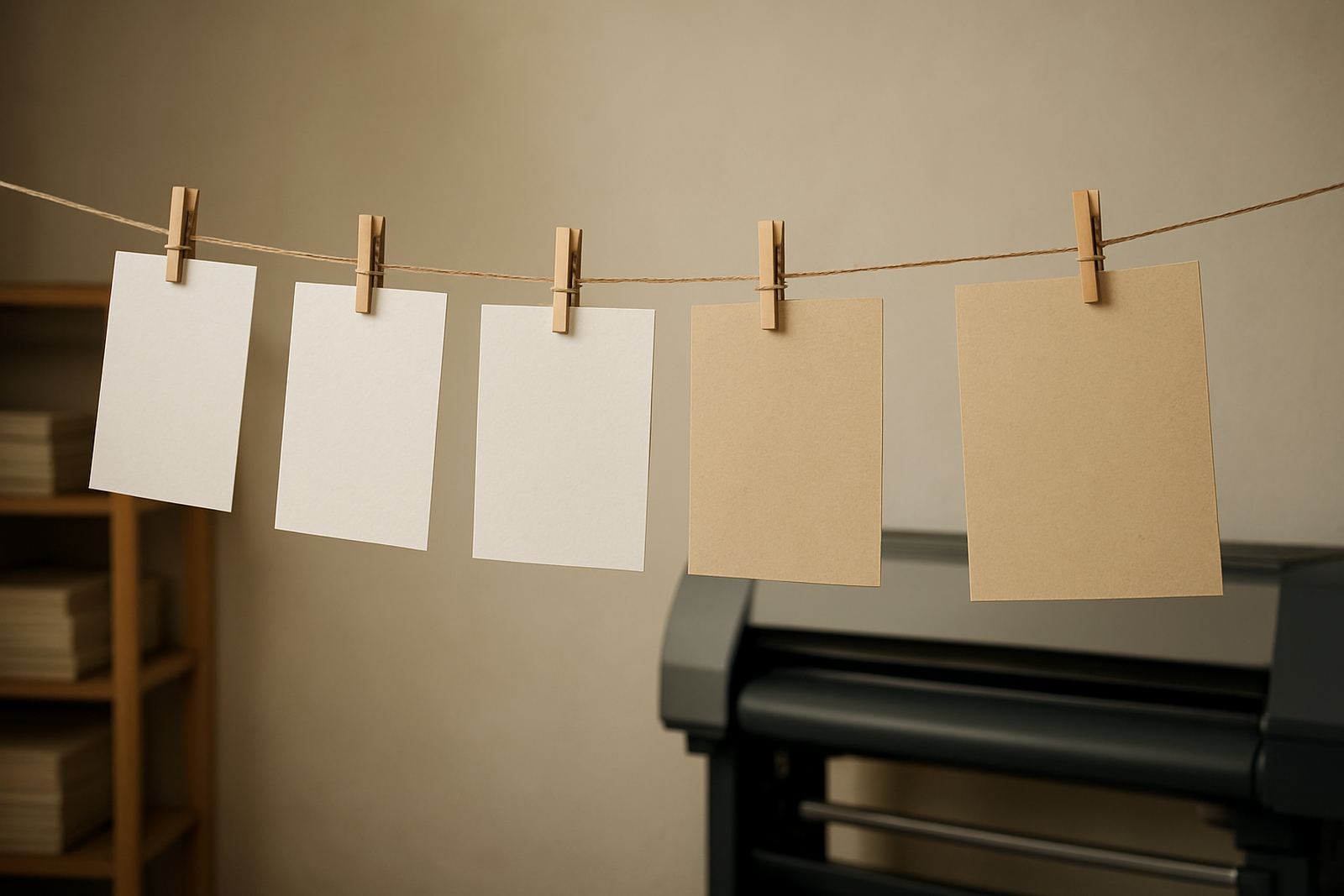
The paper choice changes how the flyer feels in hand and how long it lasts. A lighter sheet is fine for mass drops and short-life promotions. A heavier sheet feels better for restaurant menus, premium services and trade counters where people may keep it for a while. In coastal areas and humid storage rooms, a better finish can also help the flyer keep its shape instead of curling.
Gloss gives bright colour and strong photo contrast. Matt reduces glare and is often easier to read under shop lights. If the flyer will be handled a lot, lamination may suit certain uses, though many campaigns do not need it. Folding is useful when you need more space without moving up to a bigger flat size. A bi-fold or tri-fold can turn one sheet into a neat little brochure, which is handy for schools, salons, workshops and service businesses.
- Lightweight stock: good for bulk drops and short promotions
- Heavier stock: better for keepsake handouts and counter displays
- Gloss finish: strong colour, best for photos and bold graphics
- Matt finish: easier reading, less shine under indoor lighting
Prepare your flyer artwork the right way
Before printing, check the artwork carefully. Make sure the text is legible at the final size, the margins are wide enough, and important details are not too close to the edge. If the flyer includes a map, price table or QR code, test it at actual size. A code that looks fine on screen can become too small in print if it is squeezed down.
Also check spelling, contact details, opening hours and any promotional dates. A small mistake on a flyer can cost money because the whole batch may need reprints. If the flyer is going to be handed out in different towns, use wording that is broad enough for Paarl, Wellington and the wider Boland without making the message too generic.
- Use high-resolution images only
- Keep text away from cut lines and folds
- Leave enough contrast between text and background
- Check dates, prices and contact details twice before approval
A simple checklist before you place the order
Once you know the size, paper and finish, run through a final checklist. This helps avoid delays and keeps the print job moving cleanly from artwork to finishing. It is also the best moment to decide whether you need trimming, folding, lamination or any special finishing for distribution.
Catprints and Signs in Paarl works with businesses, riders and drivers across the Boland, so flyer jobs often need a mix of speed and practical detail. Whether the flyers are for a shop opening in Franschhoek, a service special in Stellenbosch, or a drop campaign in Malmesbury, the same basics apply: clear message, correct size, and a finish that suits the way people will actually use it.
- Have you chosen the right size for the amount of information?
- Is the flyer meant for handout, drop, insert or counter display?
- Do you need single-sided or double-sided printing?
- Will the flyer be folded, trimmed or packed with other print items?
- Have you checked the final artwork on a phone and on a larger screen?
When to ask for a custom flyer format
Standard sizes suit many jobs, but some campaigns need a custom shape or a different proportion. A business voucher may need to fit into an envelope. A product insert may have to sit inside packaging. A seasonal promo may work better in a long narrow format that stands out on a noticeboard. In these cases, a custom size can make the flyer easier to use and harder to ignore.
If you are not sure which size fits your campaign, it helps to talk through the purpose first and the artwork second. That way the layout can support the message instead of forcing the message to fit a space that is too tight. We can also help with artwork checks, reprints and updates when prices, dates or offers change.