
Choose the right size for the vehicle and the message
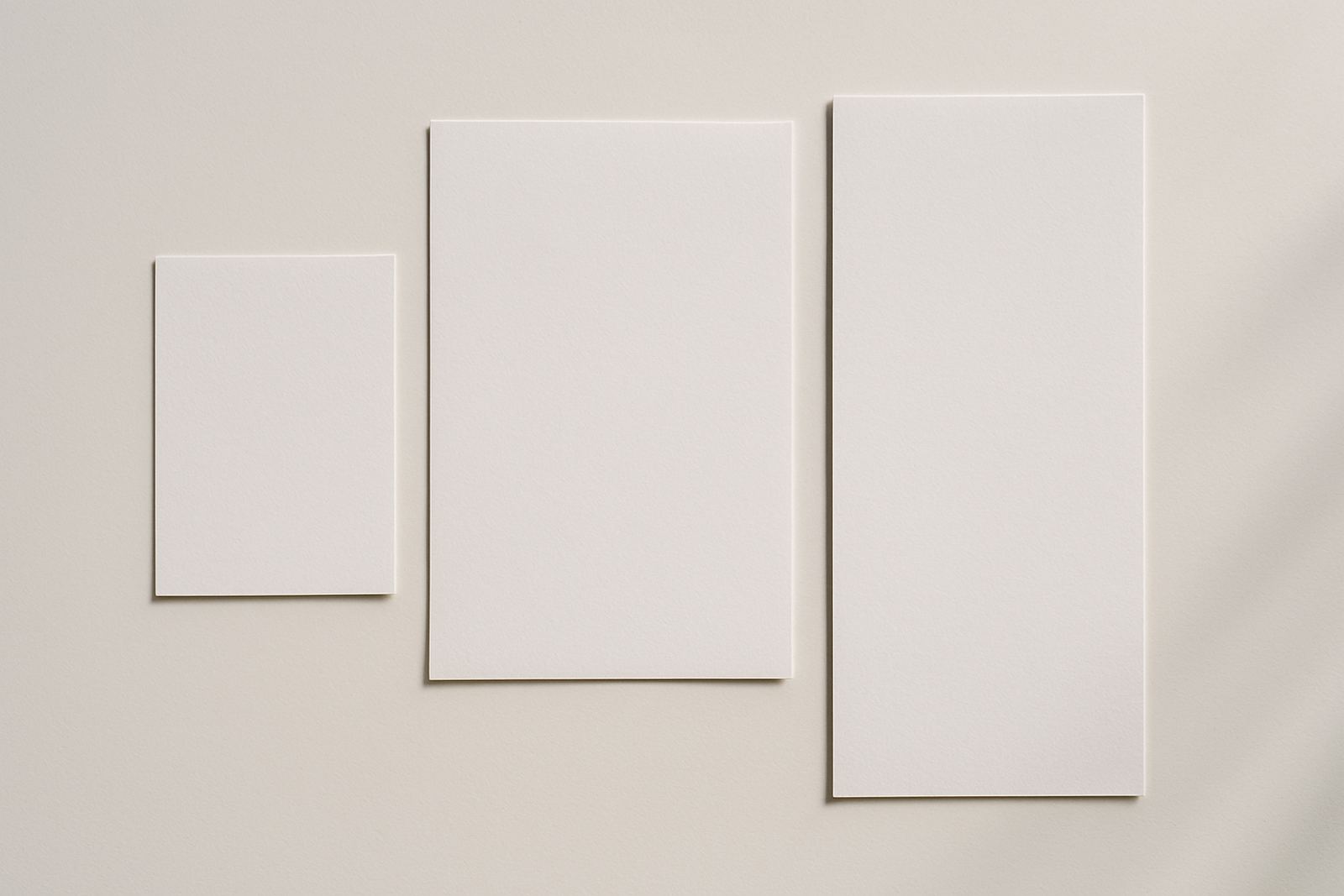
The right magnet starts with the right size. A small door magnet can suit a tradesman’s name and contact details, while a larger panel works better for a logo, service list or stronger roadside visibility. Measure the flat metal area on the door, tailgate or side panel first, then allow a little margin so the magnet does not sit too close to a curve, seam or handle.
For everyday road use in Paarl, Wellington and the wider Boland, clear lettering matters more than filling every available centimetre. A clean layout with one logo, one line of services and one contact line is usually easier to read from a parked car or at traffic lights. If the message is too busy, the magnet loses impact and looks cluttered.
As a general guide, smaller magnets around 300 x 200 mm suit light branding, while 600 x 300 mm or larger can carry more information on bakkies and vans. The exact size depends on the flat area available and how often the vehicle will be on the road.
Where vehicle magnets sit best on doors, bakkies and vans
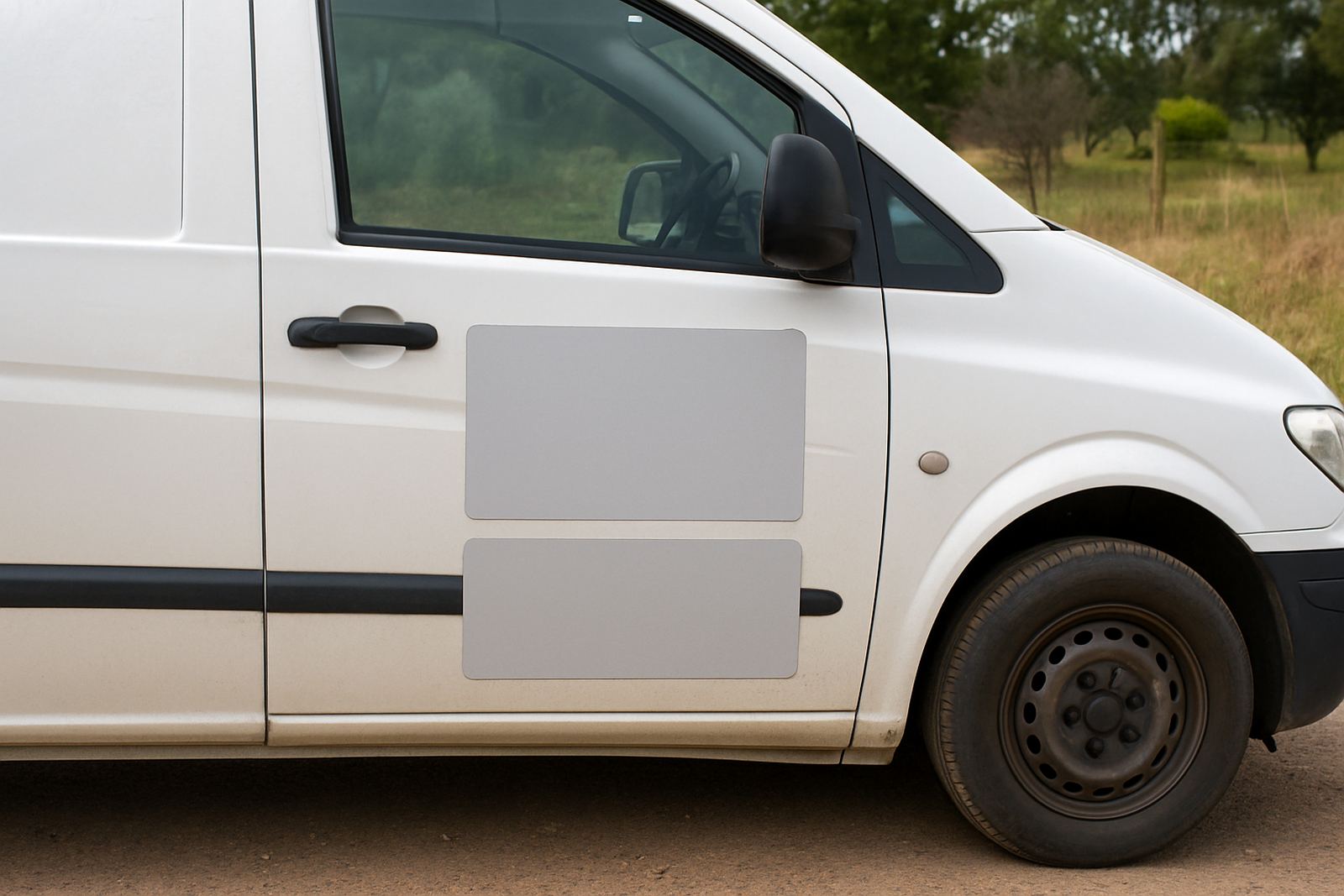
Placement affects both appearance and staying power. Magnets perform best on clean, flat steel panels with no heavy curves. Most clients fit them on the front doors, rear doors, tailgates or side panels where they can be seen at eye level. Avoid textured plastic, aluminium and strongly curved panels because magnets will not hold properly there.
Before fitting, check that the panel is metal by testing with a small magnet. If it does not grip well, choose another spot. On bakkies and work vans, keep the magnet away from fuel caps, body lines, door handles and edges where wind can lift it. On motorbikes, magnets are not suitable for most surfaces, so decals or other marking options are usually better.
Good placement should not interfere with doors opening or with existing legal markings. If the vehicle already carries reflective strips, company fleet numbers or municipal markings, the magnet must not block those details.
- Place magnets on flat, clean metal only.
- Keep a small gap from panel edges and seams.
- Avoid curved sections, plastic trim and rust spots.
- Check that both sides of the vehicle carry the same style where needed.
How to fit a removable magnet properly
Fitting is simple, but the surface must be prepared properly. Wash the panel with water and mild soap, then dry it fully. Dust, road grime and wax can stop the magnet from sitting flush. If the vehicle has just been polished or ceramic-treated, the magnet may need more frequent checking because the surface can be too slick.
Hold the magnet in place before removing the backing paper, then start from one end and smooth it down by hand. Press from the centre outward to push out air. Make sure the full face is in contact with the bodywork, not just the corners. A magnet that hangs slightly away from the panel can lift at speed, especially on the N1 or in strong coastal wind.
Remove the magnet and reposition it now and again to make sure no dirt is trapped behind it. Even a small bit of grit can scratch paint if the panel is not cleaned regularly. If you drive in wet weather, take the magnet off at the end of the day and dry both sides before putting it back.
Care routine for long life and cleaner paintwork
Vehicle magnets last longer when they are treated as part of normal vehicle care. Clean the magnet face with a soft cloth and mild soap, then dry it before refitting. Never use thinners, harsh chemicals or a stiff brush. Store it flat when not in use, not rolled or folded. If it is bent, it will not lie properly on the panel.
On hot days, check the edges after a long drive. Heat can make the panel and magnet more flexible, so it is worth lifting the magnet to see whether dust or moisture has built up underneath. Coastal humidity can also leave a damp film behind if the magnet stays on for weeks without removal. A quick clean every few days helps avoid staining or faint marking on the paint.
If the vehicle sits outside, remove the magnet once in a while and let the panel breathe. That simple habit helps protect both the paint and the print. It also gives you a chance to inspect the magnet for cracks, fraying corners or lifting edges before they become a problem.
- Wash and dry the panel before fitting.
- Remove and clean the magnet often.
- Store flat in a dry place.
- Do not fit over rust, filler or damaged paint.
Weather, load-shedding and road conditions in the Boland
Local conditions matter. In Paarl, Wellington and the surrounding towns, vehicle magnets need to cope with strong sun, dust, winter rain and the stop-start driving that comes with short deliveries and site visits. On gravel roads or windy stretches near vineyards and farms, it is worth checking the magnet after every long trip.
During load-shedding, many businesses switch to early or late driving schedules. If the vehicle is parked for long periods in the dark, make sure the magnet is dry and properly seated before you leave it on overnight. Rainwater trapped behind a loose magnet can leave marks and weaken the hold. The same applies after washing the vehicle or driving through wet roads.
For businesses that move between Stellenbosch, Franschhoek, Worcester and Malmesbury, a magnet can be a useful temporary option when the same vehicle is used for deliveries one day and private errands the next. Just remember that temporary branding still needs tidy placement and regular checks, otherwise it starts to look untidy rather than professional.
When to replace, update or pair magnets with other signs
Most vehicle magnets do not need to be replaced often, but the print can fade and the edges can wear with time. If the colours have dulled, the message has changed or the layout no longer reflects your current services, it is better to replace the magnet than keep using an outdated one. A clean update keeps the vehicle relevant and easy to read.
Some businesses use magnets alongside decals, contra-vision, or permanent vehicle wraps. That can work well when you want a flexible system. For example, a fitted company logo can stay on the door while a removable magnet handles seasonal work, promotions or temporary crew vehicles. The key is consistency in size, colour and wording so the vehicle still looks organised from every side.
If you are unsure whether a magnet is the right choice, consider how often the vehicle is shared, whether the branding needs to come off daily and how much time the vehicle spends on the road. For many local operators, a removable magnet offers a practical middle ground. It is simple, tidy and easy to update when the business changes.