
Why Boland weather is hard on outdoor signs
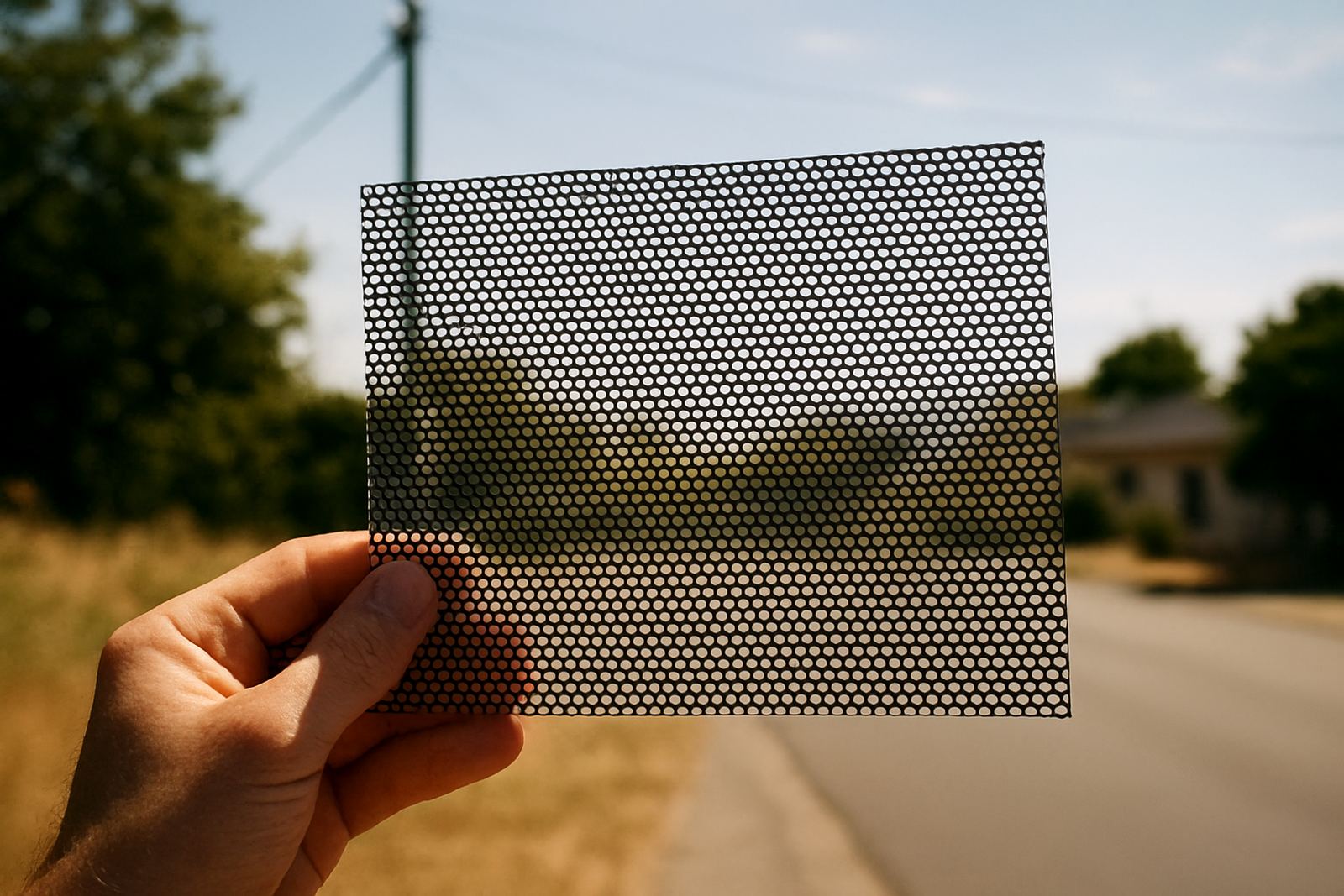
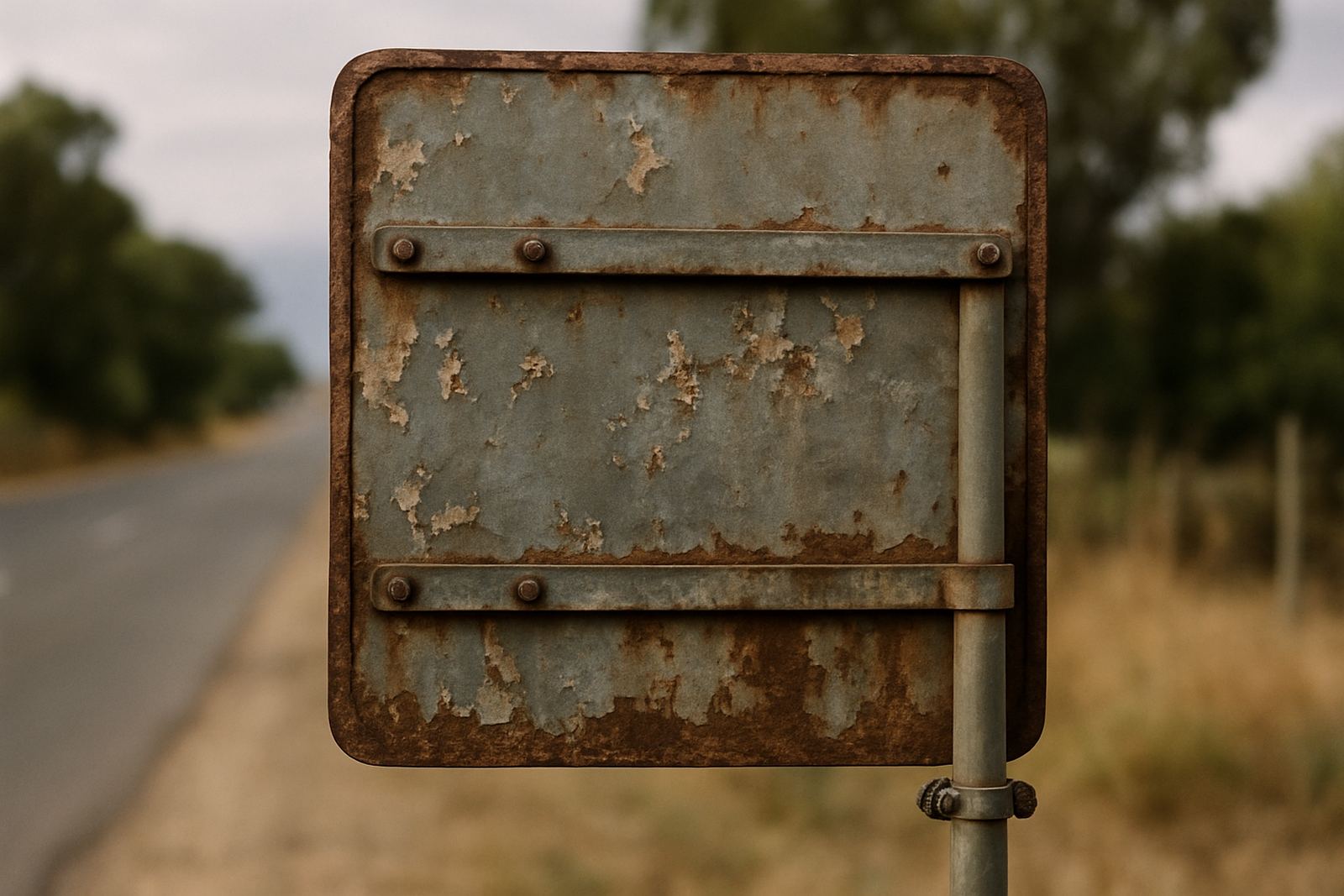
Paarl, Wellington and the wider Boland get long stretches of hot sun, summer dust and seasonal wind that works its way into every joint and edge. Signs that look fine on day one can start fading, lifting or cracking after a few months if the material, mounting and finish were not chosen for outside use.
The biggest issue is not only rain. In our area UV exposure is strong and surfaces heat up quickly, then cool down again after sunset. That daily expansion and contraction puts strain on print film, adhesive and boards. On coastal routes the salt air adds another layer, while inland farm roads bring grit that acts like fine sandpaper on the face of a sign.
If a sign is meant to sit outside for years, it should be planned with weathering in mind from the start, not treated as an afterthought.
How sun changes colour and finish
The first thing most people notice is colour fade. Reds, blues and deep blacks usually show it first, especially on signs facing north or west. Even if the print still looks readable, the colours can lose punch and the whole sign starts looking tired. In direct sun, gloss finishes can also get dull patches where dust and heat break down the top layer over time.
That matters for business frontage. A faded sign makes a shop, workshop or yard look older than it is, and sometimes people assume the business is not active. For riders and drivers, that can be a problem too. A bike decal or vehicle graphic that has gone chalky can make a clean vehicle look neglected.
- Choose outdoor-rated inks and films for any sign facing strong sun.
- Use laminated finishes where the print needs extra UV protection and easier cleaning.
- For long exposure, think about slightly heavier board or a mount that keeps the sign off the wall so heat can move behind it.
Wind, lifting edges and board movement
Wind is often the quiet problem. It does not always damage the centre of a sign first, it attacks the edges, corners and fixings. On banners, the eyelets take the strain. On rigid signs, poor mounting lets the board flap or flex, and once that movement starts the printed face can crack or the corners can split. In open places like industrial entrances, farm gates and roadside yards this happens faster than people expect.
If a sign is installed too flat against a rough wall, wind pressure can build behind it. If it is mounted on weak fixings, the whole thing can shake loose over time. That is why proper sign installation is part of weathering control, not just a last step. A well-fixed sign lasts longer and looks neater through winter winds and summer gusts.
- Use correct anchors for brick, concrete or steel frames.
- Allow for expansion and movement on larger boards.
- Check banners after strong wind for torn hems, loose rope or stretched corners.
Dust, grime and the real cost of neglect
Boland dust is dry, fine and stubborn. It settles on horizontal surfaces, works into textured prints and clings to adhesive edges. Once dust mixes with dew, rain or washing water it can leave streaks and dark patches that make a sign look worn even when the print is still usable. On light boxes and illuminated signs, dirt around the edges can reduce brightness and make the whole panel appear uneven.
For safety signs, dirt can become a compliance issue. If a warning board is half covered in grime or a reflective surface is dull, the message is not as clear as it should be. That is one reason regular cleaning matters for business sites, workshops and loading areas. It is not just about looks, it is about visibility and legibility.
A simple maintenance routine can add months to the life of a sign:
- Wash with mild soap and soft cloths, not stiff brushes.
- Avoid harsh solvents that can cloud laminates or lift edges.
- Clean sooner rather than later after dust storms or heavy road spray.
A local example from a Paarl yard
A small transport yard on the edge of Paarl had a set of gate signs that looked sharp at installation. After one summer and a windy winter, the facing sign had faded on the sun side and the lower edge was lifting because dust and moisture had worked under a poorly sealed corner. The owner thought the print had failed but the real issue was exposure and mounting.
The fix was straightforward: the signs were reprinted on outdoor-rated material, mounted with better spacing and cleaned regularly at the same time as the vehicles. A reflective safety board was moved slightly higher so it stayed clearer above road dust. That change did not just improve appearance, it cut down on updates and kept the yard easier to find for drivers coming in after dark.
This is the pattern we see often in Paarl, Wellington and the surrounding towns. The sign was never the problem on its own. It was the weather, the position and the lack of maintenance all working together.
How to plan signs that last longer
Good weathering starts before printing. The right choice depends on whether the sign will face direct sun, wind, traffic spray or occasional cleaning. A banner for a weekend promotion has different needs to a shop fascia, a farm entrance board or a vehicle wrap. Matching the material to the job is what keeps costs under control over time.
For businesses across Stellenbosch, Franschhoek, Worcester and Malmesbury, the main question is not only what the sign looks like today. It is how it will hold up through the next two summers, a wet winter and a few rounds of dust and wind in between. Small decisions make a difference, like whether the board is mounted under cover, whether the graphics are laminated, and whether the edges are sealed properly.
- Use the right thickness of board for the size of the sign.
- Choose finishes that suit exterior exposure, not indoor display only.
- Plan for reprints and updates if the message will change often.
- Place contact details and logos where they stay visible after dust and weathering.
When to repair, replace or update
Not every weathered sign needs a full replacement. Some can be refurbished with new graphics, fresh lamination or a clean re-mount. Others have reached the point where the board has warped, the adhesive has failed or the print has gone too far. The useful question is whether the sign still does its job. If people cannot read it quickly, or it makes the site look untidy, then it is already costing you something.
Outdoor signage should be checked at least a few times a year, especially before the windy season and after long hot spells. Look for curling edges, faded colour, cracked faces, water marks and loose fixings. If you catch these early, you can often save the structure and simply refresh the graphics.
For local businesses, riders and drivers, a weathered sign is more than a cosmetic issue. It affects first impressions, direction finding and safety. In the Boland, where the sun is strong and the dust never stays away for long, the best signs are the ones built with the weather in mind from day one.