

What shortens sticker life in the Boland sun
Most outdoor vinyl stickers start ageing the moment they go on a vehicle, gate, container or window. In Paarl and Wellington, the biggest enemy is UV light. Strong sun breaks down the face film and weakens the adhesive over time, especially on panels that face north or sit in full afternoon sun.
Heat also plays a part. A sticker on a bonnet, bike fairing or delivery vehicle panel can expand and contract daily. That movement opens tiny edges, and once dust or water gets in, peeling starts faster. On coastal routes towards Malmesbury or when vehicles come through from the Cape side, salt air can make the edges go dull sooner too.
- Full sun exposure shortens life faster than shaded placement.
- Gloss surfaces usually hold adhesive better than rough or powdery paint.
- Older paint, recent resprays and silicone residue can all cause lifting.
- Frequent pressure washing can lift corners, especially where edges are not sealed.
Sticker material matters more than most people think
Not every vinyl sticker is built for the same job. A small label for indoor stock is not the same as a reflective safety notice on a trailer or a die-cut decal on a motorbike helmet. Outdoor use needs a vinyl made for weather, plus the right adhesive and in many cases a laminated top layer.
For shop fronts, fleet markings and rider decals, the finish must match the surface and the job. A sticker on a window may need contra-vision or frosting around it, while a vehicle graphic may need contour cutting and overlamination. If the sticker is meant to stay outside for months or years, the print needs to handle UV, rain and regular cleaning without fading too quickly.
- Short-term stickers are cheaper, but they are not for long exposure.
- Laminated prints last better on vehicles, windows and outdoor equipment.
- Die-cut decals with neat edges tend to age better than rough hand-cut pieces.
- For safety signs, the right substrate and finish can be more important than the print itself.
Why installation can add or cut months off lifespan
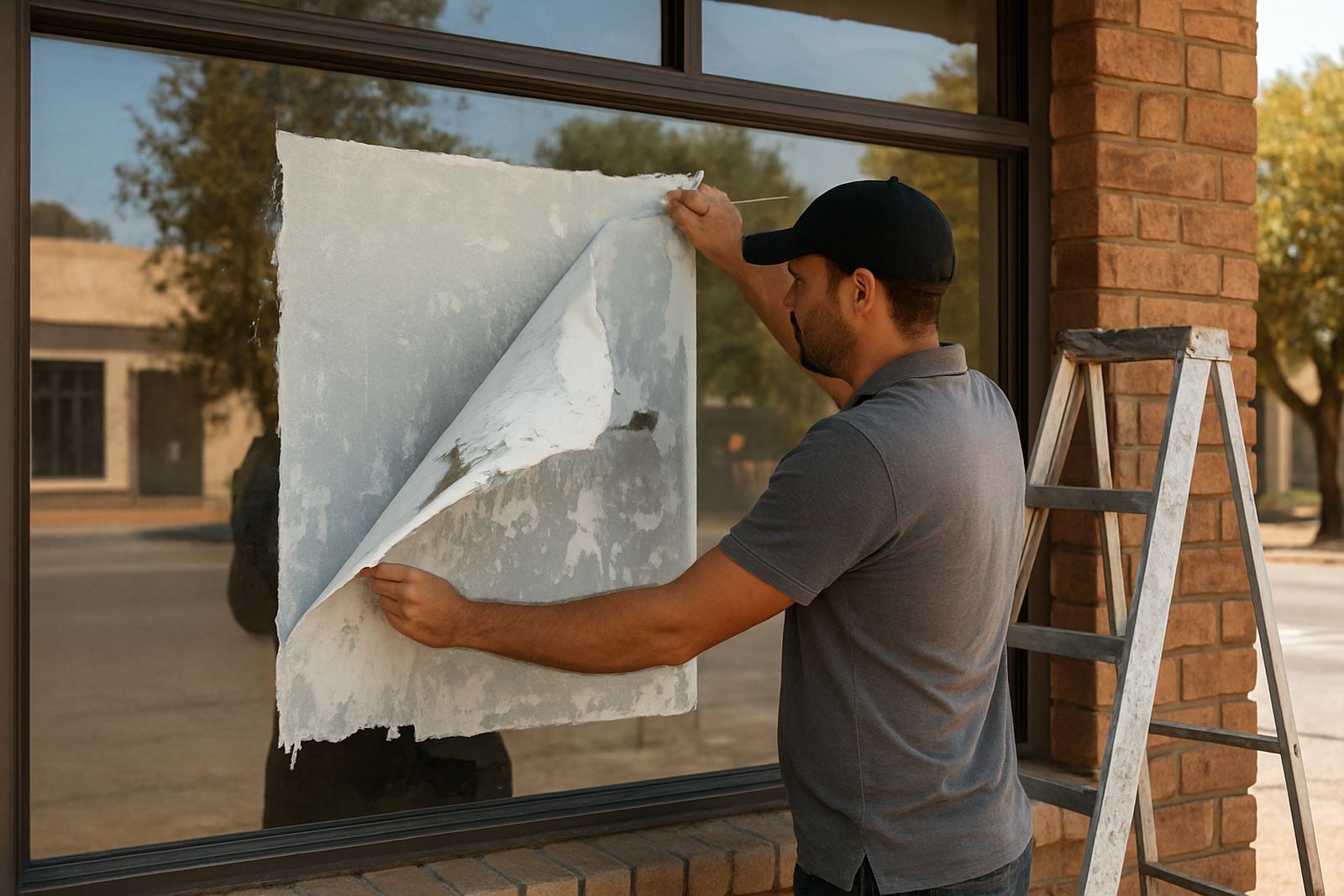
A good sticker can fail early if the surface was not prepared properly. Dust, wax, road film and old adhesive all stop the vinyl from bonding well. On a vehicle, curved panels and rivets need more care than a flat board. On windows, trapped moisture can make the sticker look cloudy until it has fully cured, and in cold mornings that can confuse people into thinking the print is faulty.
Correct application matters just as much as the vinyl. That means clean prep, a dry surface, the right pressure and enough curing time before the sticker gets washed or exposed to heavy rain. In our local conditions, people often want a job done fast before a market, race day or business launch, but rushing the fit can shorten the life by a lot.
- Application on dirty or newly painted surfaces often fails early.
- Freshly washed surfaces need to be fully dry before fitting.
- Edges around handles, trims and curves need extra attention.
- Vehicles should avoid hard washing for a few days after fitment.
Local weather patterns that matter for stickers
Boland weather is not gentle on outdoor print. Summer heat in Paarl can be intense, while winter brings repeated rain, damp mornings and cooler drying times. In Franschhoek and Stellenbosch, shaded streets can trap moisture longer after rain, so stickers on walls, glass and boards may take more time to settle properly. In Worcester, the dry heat can be tough on adhesive if the surface is exposed all day.
For businesses near the coast or vehicles that travel there often, salt and humidity can age the edges sooner. If a sticker is fitted to a farm trailer, delivery van or bike that is parked outside every night, the lifespan depends on both the product and the routine around it. A sticker that lasts two years on a covered window may only look good for twelve to eighteen months on a sun-facing vehicle panel.
That does not mean outdoor stickers are poor value. It means the expected lifespan should match the use. For some jobs, a reprint every year makes sense. For others, a well-made laminated decal can stay presentable for several seasons.
How to get more mileage from outdoor stickers
There are a few practical habits that help stickers last longer without making the job complicated. The first is choosing the right vinyl for the exposure. The second is fitting it correctly. The third is keeping the surface clean without being rough on it. A bit of care goes a long way, especially on business vehicles that carry your name every day.
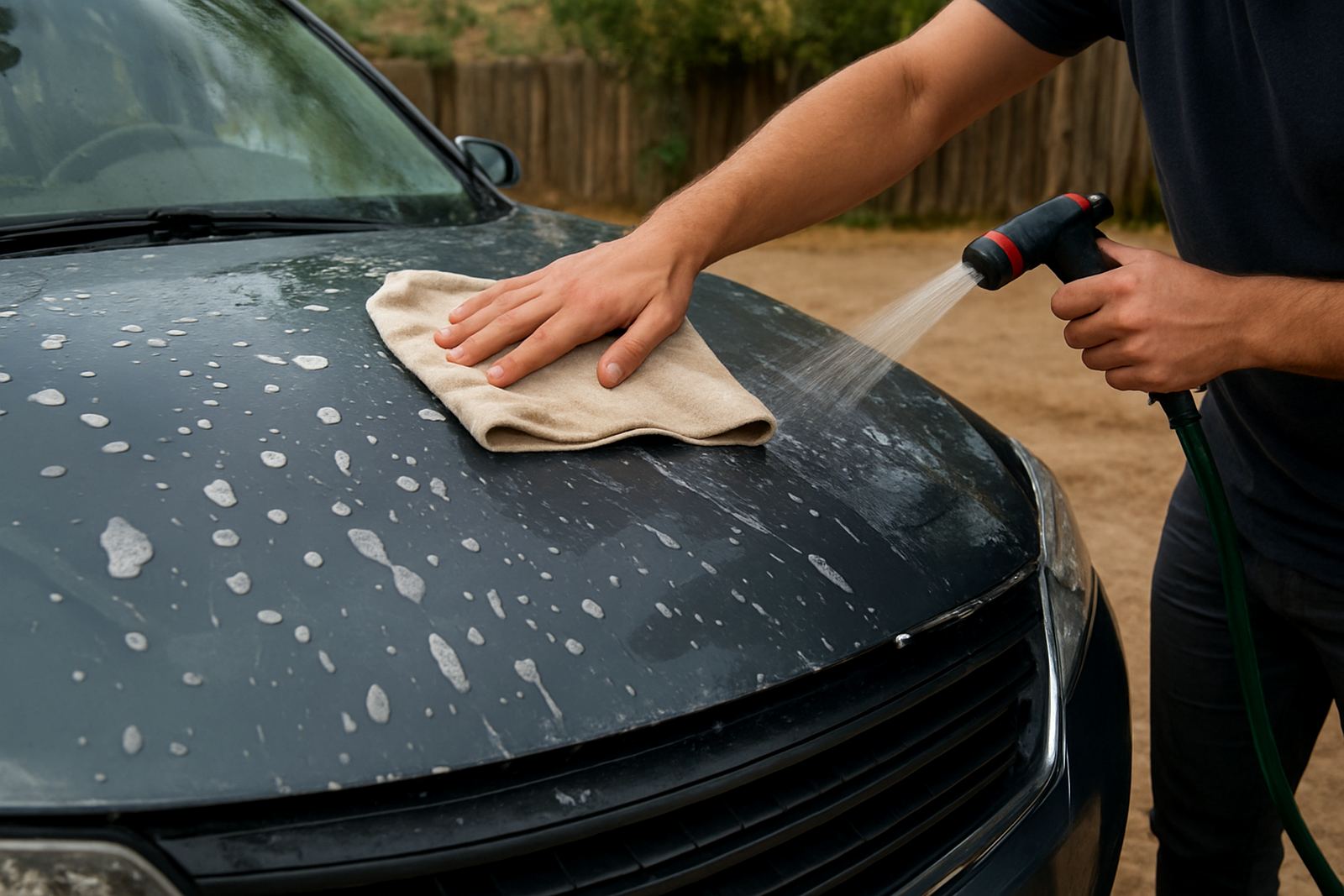
If a sticker is on a door, panel or sign board, gentle cleaning is best. Harsh chemicals, abrasive sponges and high-pressure spray aimed directly at the edges can all shorten the life. When a sticker starts to fail, it is better to replace it early than leave a half-peeled graphic on a van or sign. That keeps the business looking tidy and avoids more damage to the paint or board underneath.
- Wash with mild soap and soft cloths.
- Keep high-pressure spray away from sticker edges.
- Park in shade where possible, especially for long standing vehicles.
- Ask for reprints or updates before fading becomes obvious.
A Boland example: a delivery bike and a shop window
Take a Paarl delivery bike used six days a week. It starts early, sits in the sun, gets washed, then parks outside again. A standard unlaminated sticker may start to fade and lift within months. A properly made, laminated decal with clean installation can keep its colour much longer and still read clearly for riders, customers and traffic.
The same goes for a shop window in Wellington. A sticker that faces the street can be exposed to direct sun for most of the day, while the rest of the glass stays cooler. If the window is cleaned with the wrong cloth or the print is applied over old adhesive, the edges can fail sooner than expected. The fix is not complicated, but it does need the right material and a proper check before fitting. In this business, the small details matter more than people think.
Outdoor vinyl stickers are a practical tool for branding, directions and safety messaging. When the print, finish and installation are matched to Paarl weather and the wider Boland conditions, the result lasts better and looks neater for longer.