
Why the window is often the first thing customers judge
Most people decide in a few seconds whether a shop feels current, open for trade, and worth stopping for. In busy streets around Paarl and Wellington, your window does a lot of work, especially when passing traffic only has a moment to notice your name, offers or trading hours.
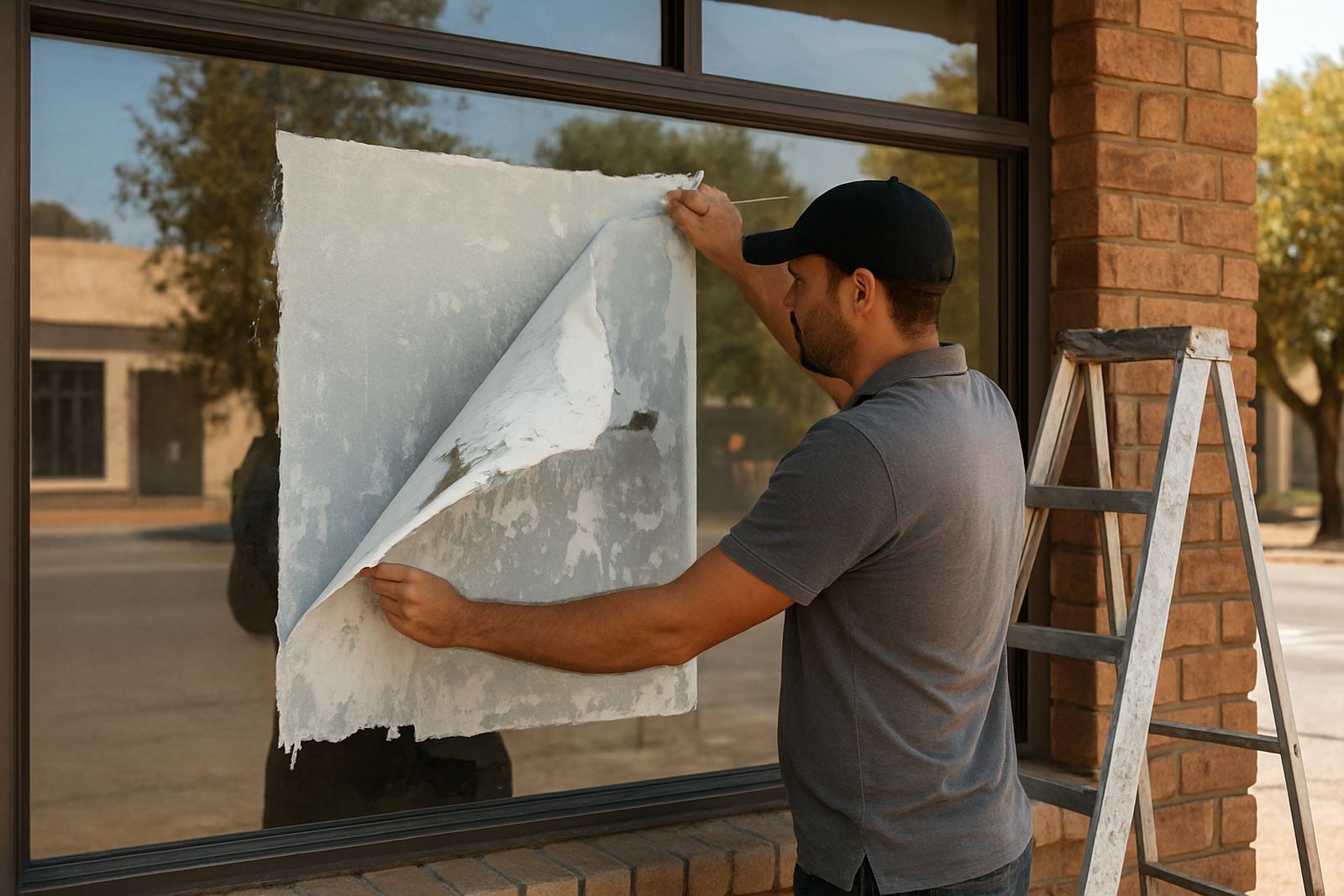
Retail window refreshes are a low-cost way to clean up faded glass, old promotions and mismatched signage. They help a business look active again without changing the whole frontage. If you have sunlight glare, dust from the road, or a window that has picked up old sticker marks over time, new graphics can hide the wear and bring the front back into shape.
This is often the first step when a business wants to improve street presence on a tighter budget. It is practical, quick and easier to update later when prices, specials or services change.
What a window refresh can include
Window work is not only about a single logo on glass. Depending on the site, it can combine branding, privacy, promotion and wayfinding in one clean layout. For businesses in the Boland, that matters because the frontage may need to deal with hot afternoon sun, reflective glass, load-shedding lighting and pedestrian foot traffic all at once.
- Cut vinyl lettering for trading hours, names and services
- Frosted film for privacy on meeting rooms, clinics and offices
- Full or partial printed graphics for promotions and seasonal offers
- Contra-vision film for windows where visibility out is still needed
- Vinyl decals for product windows, menu points or entrance directions
- Removable graphics for temporary campaigns and events
A good refresh usually starts with a clear purpose. If the main issue is privacy, frosted film may be enough. If the frontage needs stronger street appeal, a printed panel or layered cut vinyl may be better. Some shops need all three in a small window space, so the layout has to be planned carefully. Too much clutter can work against you.
How to get more value from a small budget
When money is tight, it makes sense to spend where the customer sees the biggest change. A few well placed window graphics can do more than a large sign that nobody reads. Start with the areas that are faded, messy or empty, then build the rest of the frontage around that.
For example, a small café in central Paarl may not need a full shopfront wrap. It might only need new opening hours, a cleaner menu panel, and a frosted section on the side window to reduce glare. That kind of update can make the business look better from the street without spending on a full rebuild. The same idea works for a barber, take-away, retailer, or service counter in Wellington or Simondium.
It also helps to think about updates in stages. If your business changes specials often, use smaller printed elements that can be replaced later. If the core message stays the same, use longer lasting cut vinyl for names and contact details. That keeps future costs lower and avoids redoing the whole window each time.
Durability matters in the Boland climate
Window graphics in the Boland have to handle strong sun, warm afternoons and dust, plus coastal humidity for businesses working closer to the west side. Cheap film can lift at the corners or fade too quickly, especially on windows that face direct light for much of the day. That means the first saving can become a second job not long after.
Materials and preparation matter. Glass should be cleaned properly before fitting, and the artwork should be sized so it reads clearly from the pavement or car. In some cases, laminated print is better than plain print because it lasts longer and is easier to wipe down. If the window is near a busy road, the finish should also be practical for cleaning, because fingerprints and road dust show up fast.
Where municipal rules or building management conditions apply, it helps to keep the design within the allowed window area and avoid covering essential safety sight lines. That is especially important for clinics, retail entrances and businesses in shared centres.
A local example from Paarl to Wellington
Think of a small retailer on a busy Paarl route that has been trading for years. The shop is fine inside, but from outside it looks tired because the old specials have faded and the lettering is uneven. Rather than replace the whole front, the business refreshes the windows with new opening hours, a stronger name line and a neat promotional strip across the lower glass.
Now compare that with a service business in Wellington that needs privacy and a cleaner arrival point. Frosted window film on the lower section, a simple logo on the door and a printed note for bookings can make the whole front feel more ordered. It is not a major fit-out, just a careful update that tells people the business is open and paying attention.
In both cases, the aim is the same: keep the frontage looking current, make the message easy to read and remove visual clutter that has built up over time.
What to send when you want a cleaner result
The best window refreshes start with accurate details. If you already know what must stay, what must go and what should stand out, the process becomes much easier. Good artwork checks also catch problems before fitting, such as low-resolution images, spelling issues, or a layout that becomes too crowded once it is on glass.
- Window measurements in metres or millimetres
- A clear photo of the frontage in daylight
- Trading hours, services and any legal notices that must appear
- Preferred colours, font style or existing branding elements
- Whether the window needs privacy, promotion or both
- Any deadline tied to a launch, special or seasonal change
For a shop with several windows, it also helps to note which panels matter most from the road and which are seen only when customers are already at the door. That way, the strongest message goes where it will be noticed first. Small changes can make a real difference, if they are in the right place.
Keeping the frontage easy to update later
A good retail window refresh should not box you in. If you run monthly specials, change product lines often or need to adjust service details, the layout should allow future updates without ripping everything off and starting again. That is why some businesses choose a mix of permanent and replaceable elements.
Permanent items can carry the name, core service and main branding. Replaceable items can handle promotions, seasonal messages or temporary notices. This approach suits businesses across Paarl, Franschhoek, Worcester and Malmesbury, where foot traffic and buying patterns can shift with the season, the school term or the weather. It also keeps the frontage tidy when load-shedding or power cuts mean less light inside after hours, because the window itself still does the talking.
In short, window graphics should work hard without becoming a maintenance burden. The right setup gives you a cleaner look now, and a simple path to change it later.