Vinyl Trailer Branding That Works On The Road
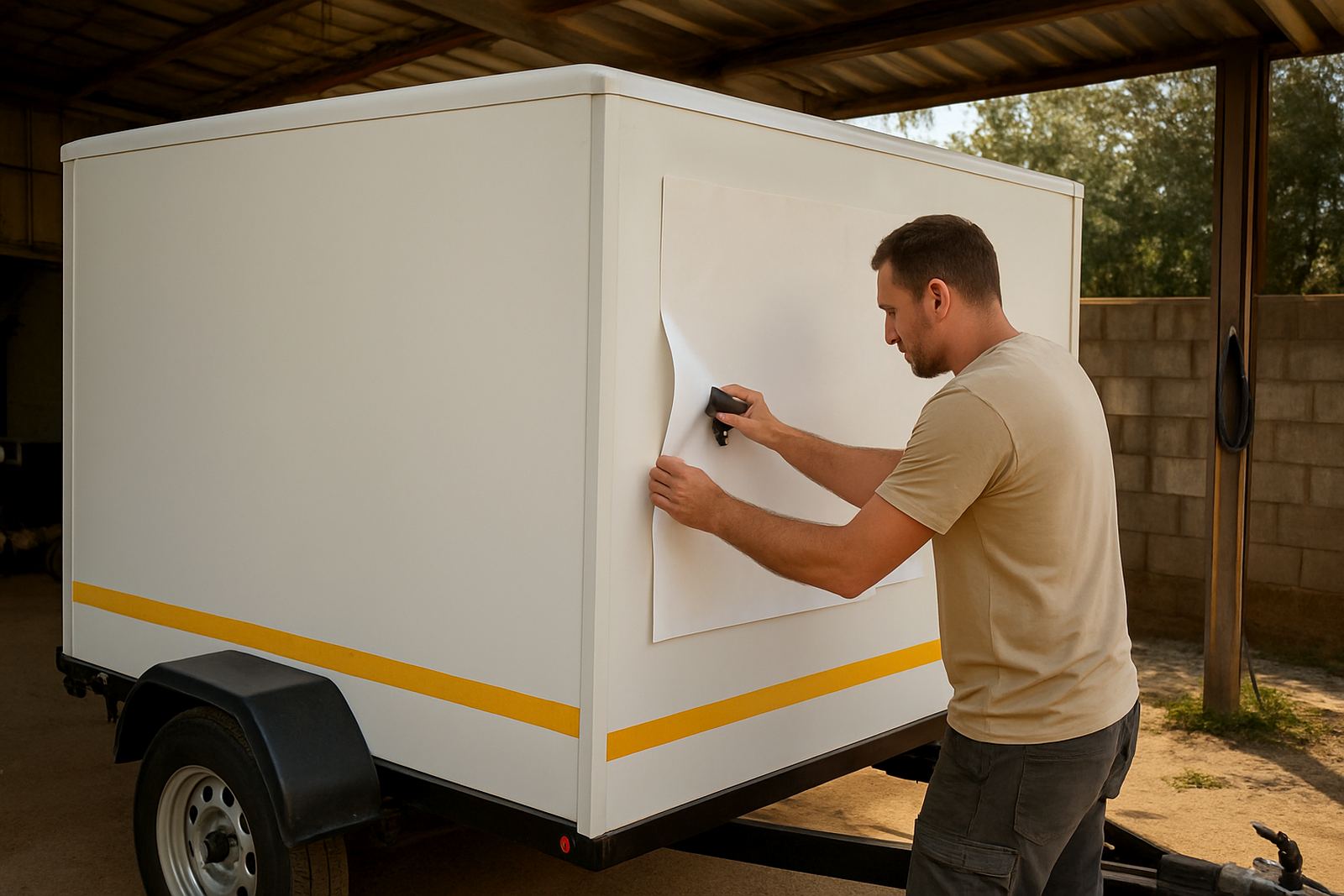
Trailer branding is a practical way to turn plain panels into working advertising. For box trailers, food trailers and utility trailers, we apply cut vinyl lettering, printed panels, reflective details and full colour graphics that can handle daily towing, loading and washing. The finish is neat and legible from a distance, which matters when your trailer is moving through Paarl, Stellenbosch or along the N1 past Worcester.
The right material depends on how the trailer is used. A delivery trailer on rough farm roads needs a different setup from a food trailer that stands at events, and a contractor trailer that is parked in the sun near Malmesbury all day will need better heat and UV resistance. We can brand new trailers or update older ones with replacement panels, reprints and partial refreshes if the original graphics are worn or faded.
Sizes, Layouts And Finish Options
Trailer branding is measured to the actual body panels, doors, nose cone, mudguards and rear gate areas. We work from your trailer dimensions, or we can measure the trailer before printing so the graphics fit properly without awkward joins. Small utility trailers may only need one or two sided branding, while larger box trailers can take full wraps across the side panels and rear.
Common options include:
- Cut vinyl lettering for names, contact details and compliance notes
- Printed decals for logos, food menus and product images
- Reflective stripes for visibility at night or in low light
- Partial wraps for side panels, rear doors and nose sections
- Magnetic panels for temporary branding on steel surfaces
- Laminated graphics for added protection against sun and washing
Most trailer work is done in standard full colour print or solid colour vinyl, with matt or gloss laminate depending on the look you want and the amount of handling the trailer gets. We also check colour contrast so the wording stays easy to read on white, silver, red or dark trailer bodies.
Where Trailer Branding Suits Best
Trailer branding suits food vendors, mobile service teams, event suppliers, gardeners, builders, rental companies and small distributors who move equipment from one site to the next. In the Boland, trailers often travel between farms, estates, town centres and venues, so the graphics need to stay clear through dust, rain and sun. A branded trailer also helps when parked outside a venue in Franschhoek or when a service team is working at a client site in Wellington.
This type of branding is especially useful if your trailer is part of daily trade. It can carry your business name, service list, safety wording, emergency contact details and municipal or site information where needed. For food trailers, we can include branding zones for menus or product names, but the surface must still allow for cleaning and safe handling. If you need a trailer to present as a professional unit at markets or private events, the graphics should be planned with the trailer door, hatch and service counter in mind.
- Box trailers for tools, stock and delivery work
- Food trailers for takeaway service, catering and markets
- Utility trailers for maintenance, cleaning and field teams
- Event trailers that need quick identification and strong visual impact
Fitment, Prep And Power Or Gas Considerations
Before branding starts, the trailer surface must be clean, dry and free of loose paint, rust flakes, oil and dust. If the trailer has been parked outside in coastal humidity or has seen heavy use, we may need to degrease it, remove old adhesive and check for surface damage before application. Good prep makes a big difference to how long the vinyl lasts and how neat the edges stay.
For fitment, we apply graphics to flat and slightly curved panels, and we can work around hinges, handles, locks and light fittings. If the trailer has a gas bottle compartment, generator space, battery box or access hatch, the branding layout must leave those points usable. On food trailers, any branding near cooking or service points must stay clear of heat zones, steam and wash-down areas. If you are fitting power or gas equipment, that should be installed first so the final graphic layout does not cover vents, access doors or safety markings.
Most branding jobs do not need an external power supply during fitment, but a food trailer or illuminated trailer may need the equipment fully wired and tested before final sign-off. If there are light boxes, internal lights or side lighting, we plan the graphic placement so the cables, switches and service access remain reachable.
Care, Washing And Rebranding Over Time
Trailer graphics last longer when they are washed gently and checked regularly. Avoid high pressure spray right at the vinyl edges, especially on corners, seams and rivet lines. Use mild soap and a soft cloth, not harsh solvents or abrasive pads. If the trailer is used on gravel roads, dust and small stones can mark the lower panels, so a laminate finish is often worth it for added protection.
Over time, sun exposure, trailer vibration and loading can wear the edges of graphics. If a panel is scratched, faded or damaged, we can replace only that section instead of redoing the whole trailer. That is often the best option for businesses that update logos, phone numbers or service details after a change in offering. We also do reprints and updates for trailers that need a fresh look before a new season, campaign or event run.
- Wash with cool or lukewarm water and mild detergent
- Check corners, seams and around hinges for lifting
- Avoid parking against rough walls or thorny bushes
- Report any damaged panel early so it can be replaced
- Keep a small record of panel sizes for future reprints
What To Check Before You Place The Order
When ordering trailer branding, it helps to have the trailer measurements, a clear photo of each side and the wording you want to show. If you already have a logo, send the best version you have in a clean format. If not, we can assist with artwork checks and layout adjustments so the text is readable and the spacing works on the trailer body. Small trailers often need shorter wording, while bigger trailers can carry more detail without becoming cluttered.
Check these points before confirming the job:
- Trailer length, height and panel widths in millimetres
- Type of trailer body, including flat panel, ribbed panel or curved panel
- Where doors, lights, hinges and locks are placed
- Whether you want one side, both sides, rear branding or a full wrap
- Any reflective or safety wording needed for night use
- Whether the trailer will need future reprints or updates
If the trailer is used for food service, make sure the wording and layout do not block important operating areas. If it is a work trailer, think about whether the branding should focus on the company name, the service list, or just the contact details and logo. A well planned setup saves time later and avoids having to rework panels after fitment.
Key facts
| Branding types | Cut vinyl, printed decals, partial wraps, reflective graphics and laminated panels |
|---|---|
| Typical trailer sizes | Small utility trailers to large box and food trailers, measured to panel size |
| Material options | Outdoor vinyl with matt or gloss laminate, plus temporary magnetic panels where suitable |
| Application surfaces | Flat panels, slightly curved panels, rear doors, nose cones and side gates |
| Best use cases | Business trailers, food trailers, contractor trailers, delivery trailers and event trailers |
| Service area | Paarl, Wellington, Stellenbosch, Franschhoek, Worcester, Malmesbury, Klapmuts and Simondium |