
Why delivery vehicles need plain, clear branding
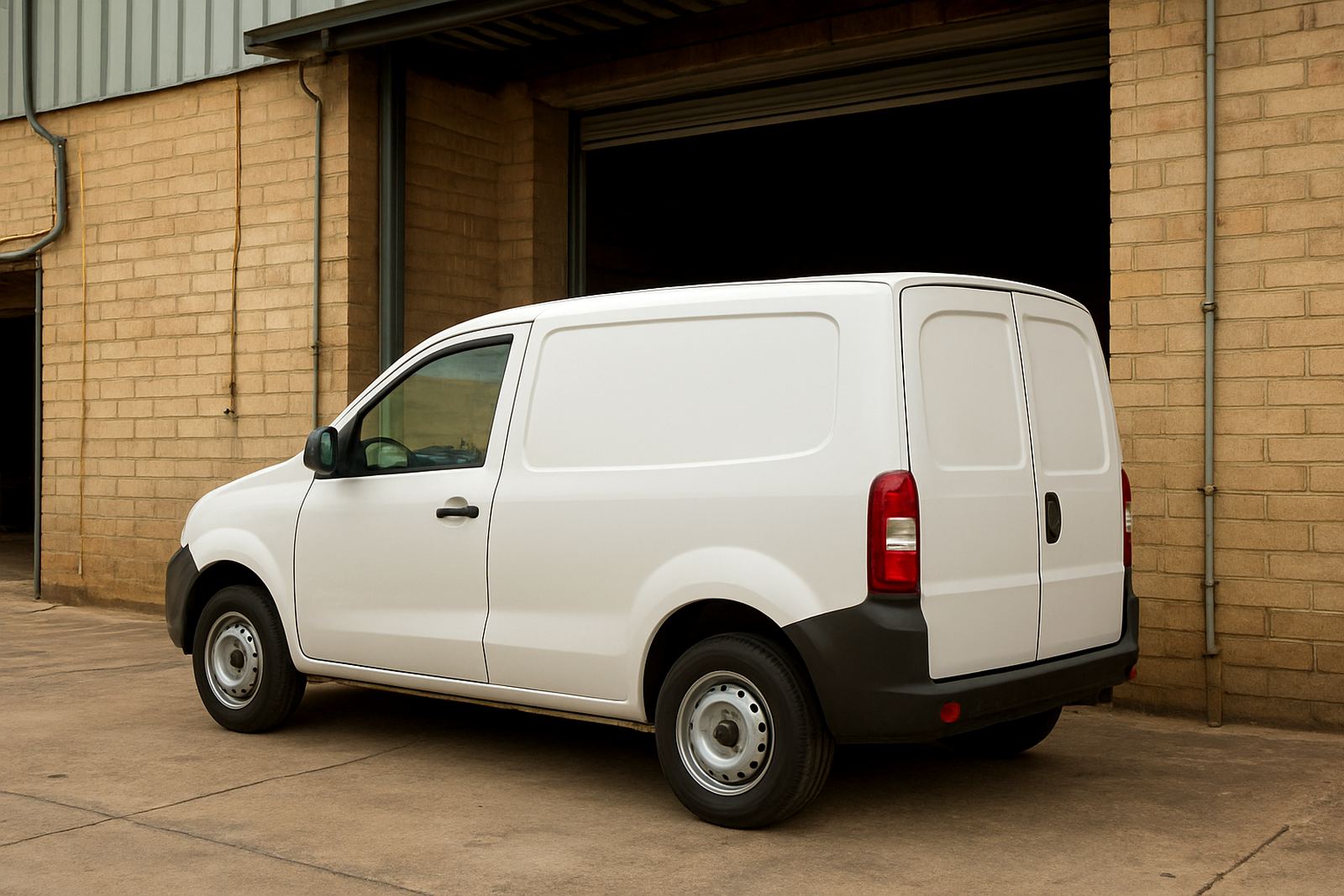
A delivery vehicle is not a billboard for fancy artwork, it is a moving contact point. People must spot the name, know what you carry and see how to recognise you at the gate. In Paarl and Wellington that matters when drivers are moving between estates, industrial areas and farm roads, often in dust, heat and stop start traffic. A clean logo, service line and contact details on the doors or tailgate usually does more than a full wrap when the budget is tight.
For couriers and owner-drivers, the aim is simple: be seen quickly and look organised. That helps with repeat work, gate access, and trust when you pull up at a factory, school, nursery or customer home. If the vehicle is shared between routes or drivers, we also plan for easy updates so numbers, route names or service wording can be changed later without redoing the whole set.
Typical signage for couriers, bakkies and riders
The right set depends on the vehicle shape, how long you keep it and whether the branding must come off later. We often work with a mix of printed and cut vinyl so the vehicle still looks tidy after months on the road. For delivery work, simplicity usually wins because it stays readable at traffic lights and in bad weather.
- Door logos with company name and service wording
- Tailgate or rear door contact details for people following behind
- Magnetic panels for leased or shared vehicles
- Partial wraps for side panels, load bins and tailgates
- Window frosting or contra-vision for rear glass where needed
- Motorbike decals for couriers and small-run delivery riders
Magnetics suit short term work or vehicles that get used for both business and family trips. Vinyl works better where the branding must stay put through washing, road spray and long sun exposure. On coastal routes toward the Cape side, we also plan for humidity and salt air so edges, joins and surface prep are handled properly.
Layout planning that keeps the message readable
Delivery branding should be readable from a moving car or from across a yard. That means fewer words, larger letters and strong contrast. If the name is long, we usually break the layout into a main line and a smaller service line so the driver can read it at a glance. It also helps to keep the most important details on the driver and passenger doors, then repeat the name on the back.
For vans and bakkies in the Boland, we check panel shapes, rub strips, handles, canopy curves and the areas that get bumped during loading. If a vehicle has tinted glass, mesh, ladder racks or a roll bar, we plan around those parts first. Load shedding can affect production timing and fitment schedules at short notice, so it helps when the artwork is signed off early and measurements are accurate.
- Use a phone number only if it is actively answered during delivery hours
- Keep the main message to one service line such as courier, distribution or local delivery
- Avoid tiny text near curves, handles or fuel caps
- Choose colours that contrast with the vehicle body, not against it
- Allow space for registration marks, reflective tape or fleet numbers if required
Common mistakes that cost money later
One common mistake is overfilling the vehicle with too much copy. If every side is crowded, the eye has nowhere to settle and the message gets lost. Another is using very thin lettering on dark paint or over tinted windows, which looks fine in the studio but becomes hard to read in daylight, especially in Paarl sun. We also see rushed measurements where the sliding door or tailgate is ignored, then the graphic gets cut by seams or handles and looks untidy.
Another issue is choosing the wrong material for the job. Cheap vinyl may look fine on day one but on hot panels, or after repeated washing, it can shrink or lift at the corners. For vehicles that spend time in Worcester, Malmesbury and on open roads, that matters because wind and dust test every edge. If the vehicle is leased, it is better to say that upfront so the fixing method can suit future removal.
We also watch for overlooked rules. Some sites want clean, non-reflective branding only, while some loading areas need clear safety signs or marked access points. If the vehicle goes onto private estates or works near public walkways, we can advise on practical wording and sign placement so the branding looks neat and still suits the site.
Budget ranges for delivery vehicle branding
Costs depend on size, artwork, number of panels and whether the job is a quick update or a full vehicle package. A basic set for an owner-driver can stay affordable if we keep it to door logos and a rear panel. If the vehicle needs full side coverage, rear glass treatment or a full wrap, the price goes up with material and labour. We always try to match the finish to the route and how long the vehicle will stay in service.
- Small vinyl decal set for a car or light delivery vehicle: from about R650 to R1 500
- Door branding with rear contact details: from about R1 500 to R3 500
- Magnetic panels for temporary branding: from about R850 to R2 800
- Partial wrap for bakkies, vans or courier vehicles: from about R4 500 to R12 000
- Full vehicle wrap: from about R12 000 to R28 000 and up, depending on size
Artwork checks, layout changes and reprints are often the difference between a neat result and a costly redo. If the same vehicle changes hands between drivers or gets rebranded later, we can update names and service wording without starting from scratch, which keeps the spend under control.
Fitment, turn around times and day to day use
For delivery work, downtime matters. Many drivers cannot leave a vehicle off the road for long, so we plan fitment around working hours and route changes where possible. The vehicle must be clean before application, and if it has old stickers, faded adhesive or chipped paint, those areas need extra preparation. That takes time, but it helps the new branding last.
After fitment, the vehicle should be left to settle before heavy washing or high pressure cleaning. In warm weather the job cures faster, but coastal moisture can slow the process a bit and we allow for that. Once fitted, the branding should be easy to keep clean with normal washing, though it is best to avoid harsh scrubbing near edges. If a panel gets damaged in a yard bump or during loading, we can redo that section instead of replacing the whole set.
For owner-drivers and local distribution teams in Paarl, Wellington, Stellenbosch, Franschhoek, Worcester and Malmesbury, the goal is a vehicle that looks professional without wasting Rand. Clear, practical branding helps people remember the service and keeps the vehicle working for you every day, not just on the first day.