Why privacy graphics work so well in the Boland
In Paarl, Wellington and the surrounding towns, many businesses work with strong sun, busy streets and close neighbours. That means windows often need to do more than let in light. They must also keep meeting rooms private, protect staff from glare and give a clean, professional finish from the outside.
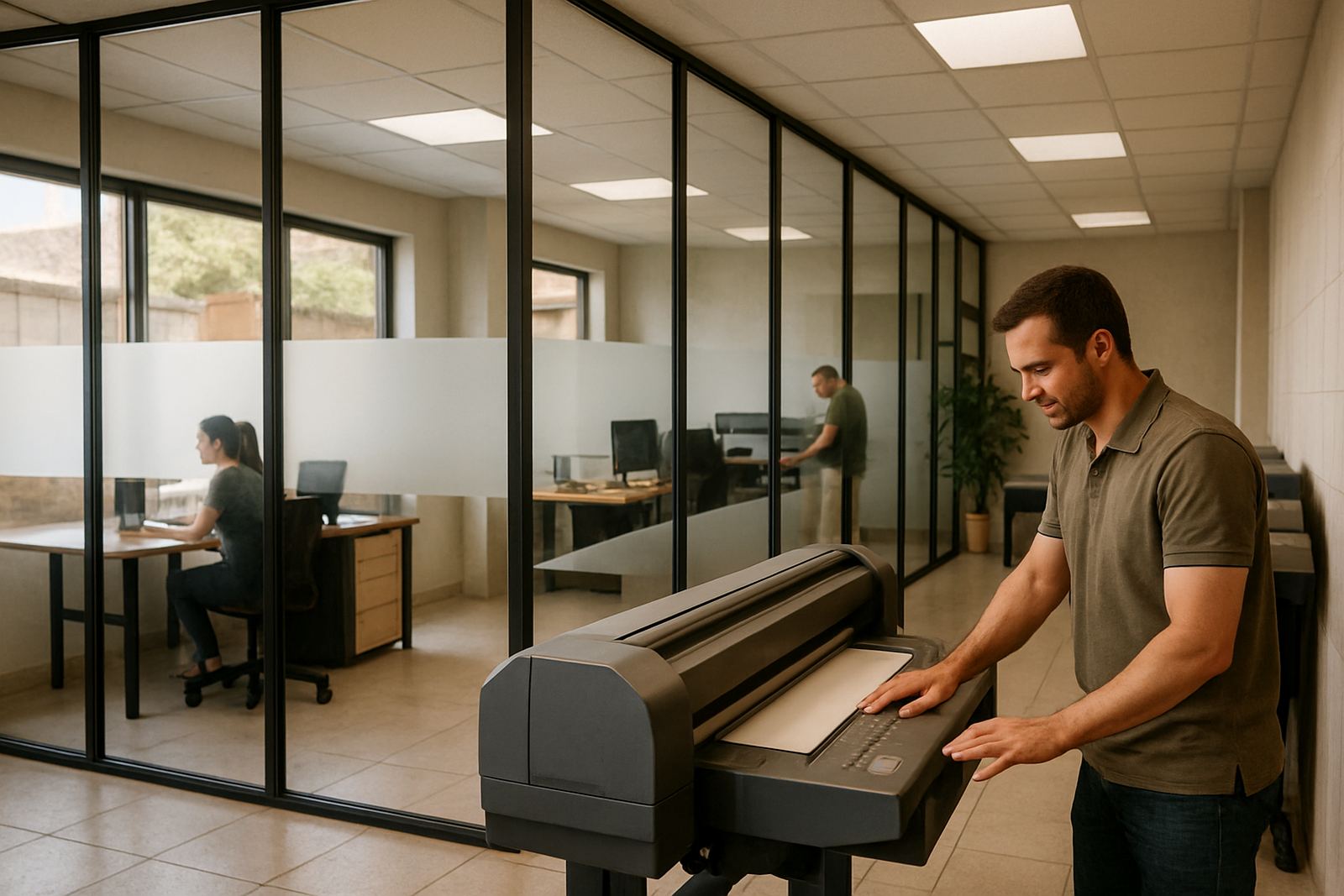
Graphics for privacy are a practical middle ground. You can use frosted film, printed film, cut lettering or a mix of these to block direct views while still keeping daylight. That matters in offices where people work at screens, in street-facing consulting rooms, and in reception areas where you want a tidy look without heavy blinds.
For businesses near the main roads or in shared buildings, privacy film can also help with everyday comfort. It is easier to work when passers-by are not staring in, and in summer the cooler feel of reduced glare makes a difference. On the coast, where humidity can affect finishes and adhesive performance, proper prep and correct material choice matter even more.
Frosted film lets light through and blocks the view
Frosting is one of the most useful options when you want a simple, neat result. It gives glass a sandblasted look without the cost or permanence of etched glass. Light still passes through, but the human eye cannot read details clearly from the other side.
This makes it ideal for:
- Boardrooms and consultation rooms
- Front counters and reception windows
- Medical, beauty and therapy rooms
- Internal office partitions
- Glass doors that need visibility markers
Frosted film can cover the full pane or only part of it. Some clients prefer a solid band at seated eye level, while others want a repeated pattern that keeps the room bright. With careful layout, you can also add a company name, opening hours or directional text so the window still works as signage.
Printed privacy film gives you branding and cover
If you want more than plain frosting, printed film opens up a lot of options. It can carry logos, patterns, service lists or full-colour imagery while still reducing visibility. This is useful when a business wants privacy but does not want to lose the chance to promote itself.
For example, a salon in Wellington might use frosted panels low down for privacy and a printed strip higher up with operating hours and treatment names. A workshop in Paarl could use window graphics to reduce outside views into storage areas while keeping the front office branded and visible.
Printed privacy graphics are also handy when a room changes use over time. A rented office may need to hide documents or equipment one month, then shift the artwork later. Reprints and updates are easier when the film is planned with the future in mind. Choose a layout that can be adjusted without starting over each time the business changes a service or room layout.
- Full frosting for maximum privacy
- Printed bands for branding and partial cover
- Cut text and logos for a lighter look
- Patterned film for a modern, quieter finish
The right fit depends on the glass, the space and the sun
Not every window needs the same treatment. A street-facing pane in a busy part of Paarl may need stronger coverage than a back office in Franschhoek. A west-facing glass wall that takes direct afternoon sun may need a different finish from a north-facing partition that only needs screening.
Before fitting anything, it helps to look at the glass size, the mounting surface and the purpose of the room. Some spaces need privacy only at eye level. Others need full coverage from floor to ceiling. Glass that sees daily cleaning, kitchen steam or coastal moisture should be prepared properly so the film keeps its grip and edge finish. In practical terms, that means clean glass, accurate cutting and careful installation.
Common choices include:
- Full-panel frosting for meeting rooms and clinics
- Lower-half frosting for counters and offices
- Logo bands for shops and service counters
- Decorative cut shapes for a lighter visual effect
- Privacy panels on internal glass doors and partitions
Privacy on vehicles and rider screens also has a place
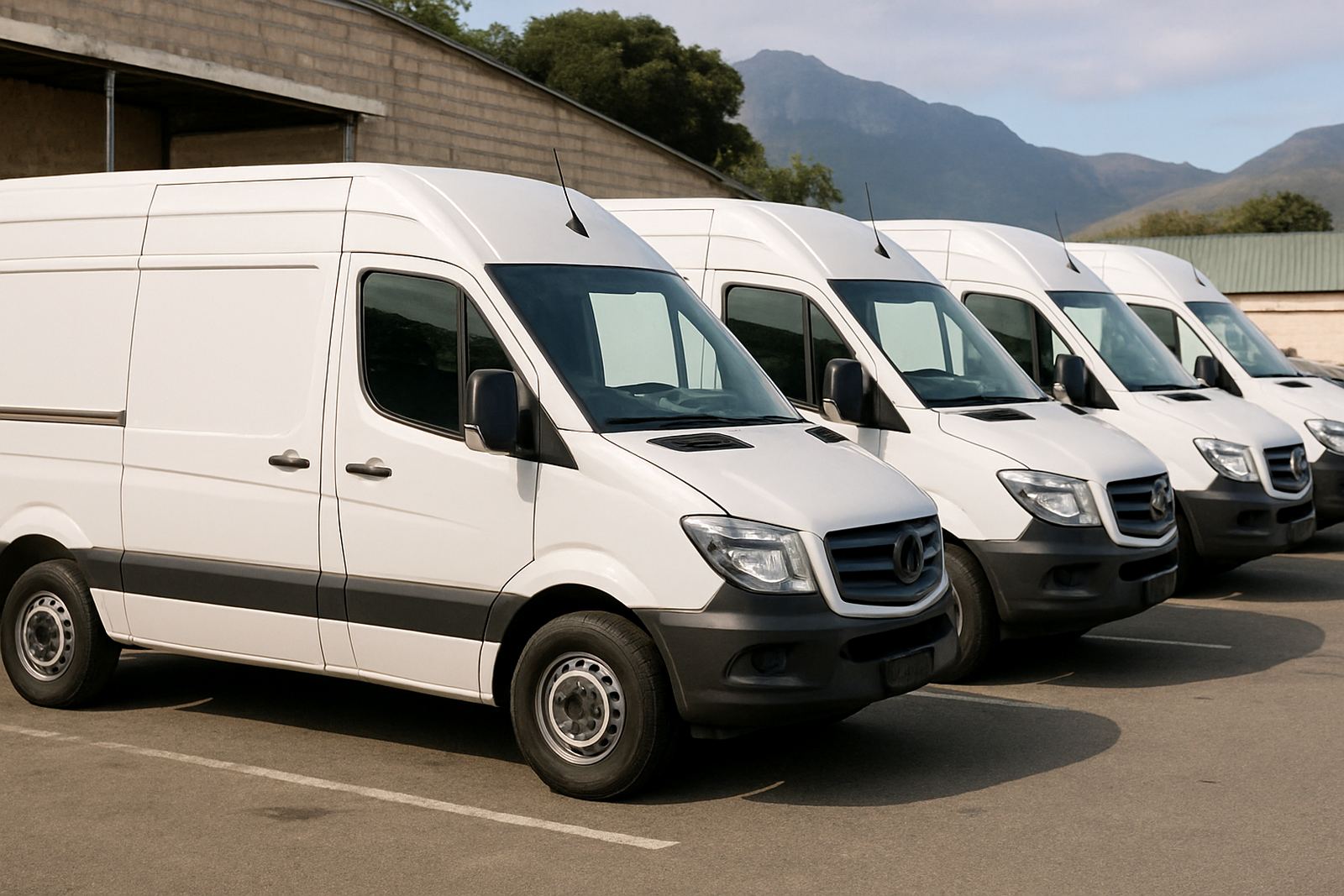
Privacy graphics are not only for buildings. They can also help on bakkies, vans, motorbike boxes and service vehicles where you need to shield contents, reduce direct view into the load area or add branding without covering every surface. In towns across the Boland, that is useful for tradesmen, delivery drivers and riders moving between sites all day.
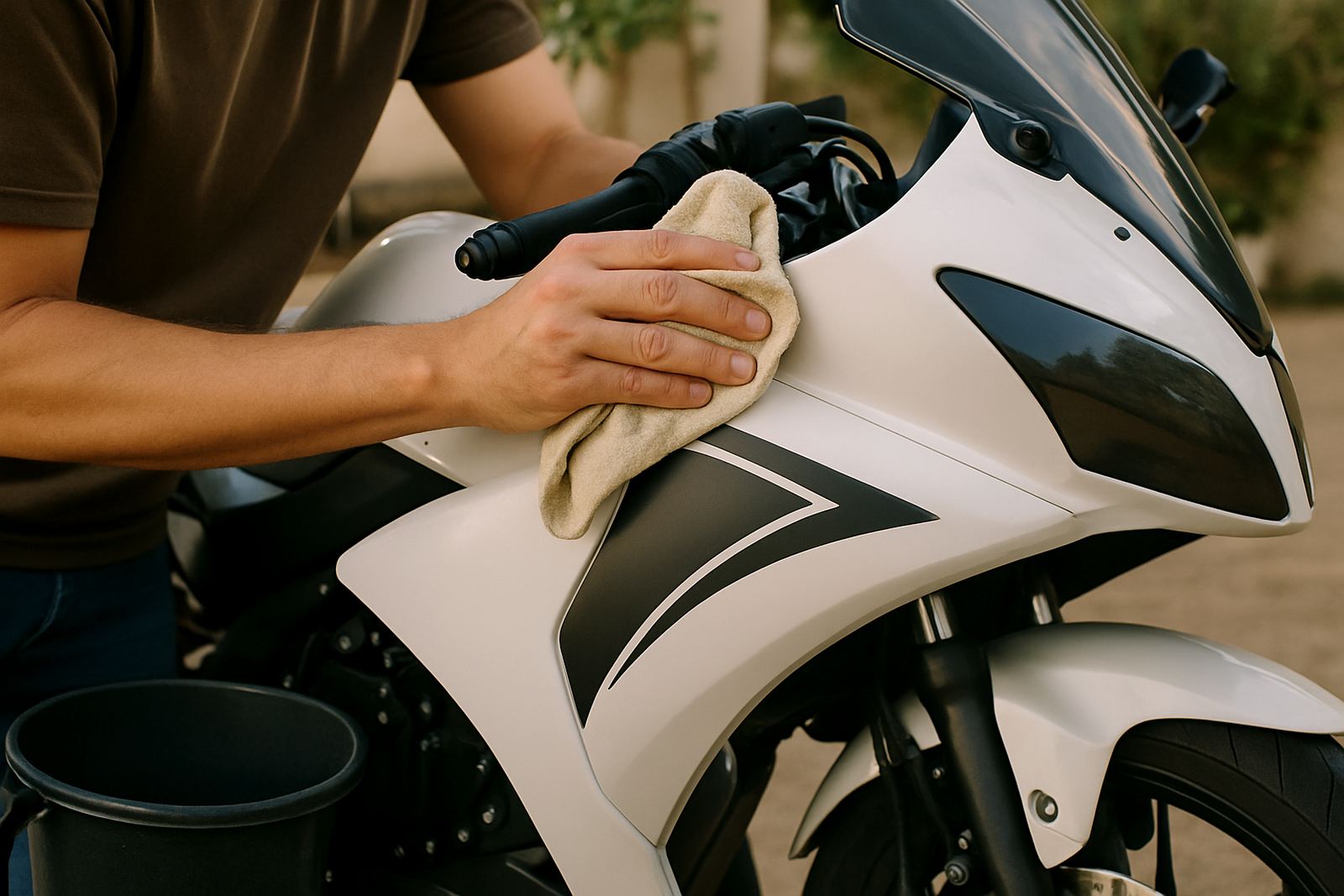
For vehicle windows, contra-vision can be a good option where outside branding is needed but the driver still wants a clear view from inside. Magnets and removable decals can work for temporary jobs, while more permanent film is better for regular routes and company-owned vehicles. On motorbikes, smaller decals and reflective elements help with visibility and identification, especially for after-dark work or early starts in winter.
Privacy on a vehicle needs good fitting because wind, rain and road dirt are unforgiving. Correct edge sealing and clean application make the difference between a tidy job and one that lifts at the corners after a few weeks.
A local example from Paarl to Worcester
A simple example is a growing service business with branches in Paarl and Worcester. They wanted light in the front office, but not the public to see filing, computers and staff movement behind the glass. Full blinds would have made the room feel dark, especially during load-shedding when every bit of daylight helps.
The answer was a mix of frosted film across the lower section, with a printed strip carrying the business name and service list at eye level. That gave privacy for seated staff, kept the room bright, and made the front of the premises look more organised from the street. It also reduced the need for extra décor, which is useful when space is tight and every square metre counts.
That same approach can be adapted in Stellenbosch, Franschhoek or Malmesbury. The layout changes, but the principle stays the same: let the light in, block the unwanted view and use the glass to communicate something useful.
Getting the detail right before the film goes on
Good privacy graphics start long before installation day. Artwork needs to be checked so text sizes are readable, logos sit in the right place and cut lines make sense on the actual pane. Measurements must be accurate because glass often looks square until you get a tape measure on it. Even a few millimetres off can show when graphics meet frame edges or door handles.
Before ordering, it helps to decide what the window must do. Ask these questions:
- How much privacy is needed during the day and after dark?
- Do you want branding, pattern or plain frosting?
- Will the graphic need to be updated later?
- Is the glass internal, street-facing or exposed to weather?
- Will the room still need full daylight for work?
That planning keeps the result practical. It also helps avoid paying for a finish that looks good but does not solve the real problem. In a working business, the best graphic is the one that does its job quietly every day.