What safety signs are used for on-site
Safety signs do a simple but important job: they tell people what to do, what to avoid and where to go. On a busy site in Paarl, Wellington or Stellenbosch, that can mean the difference between a tidy workflow and an avoidable incident. We make signs for entrances, loading bays, production floors, storerooms, walkways, fire points and service areas, as well as temporary notices for shutdowns, maintenance and construction work.
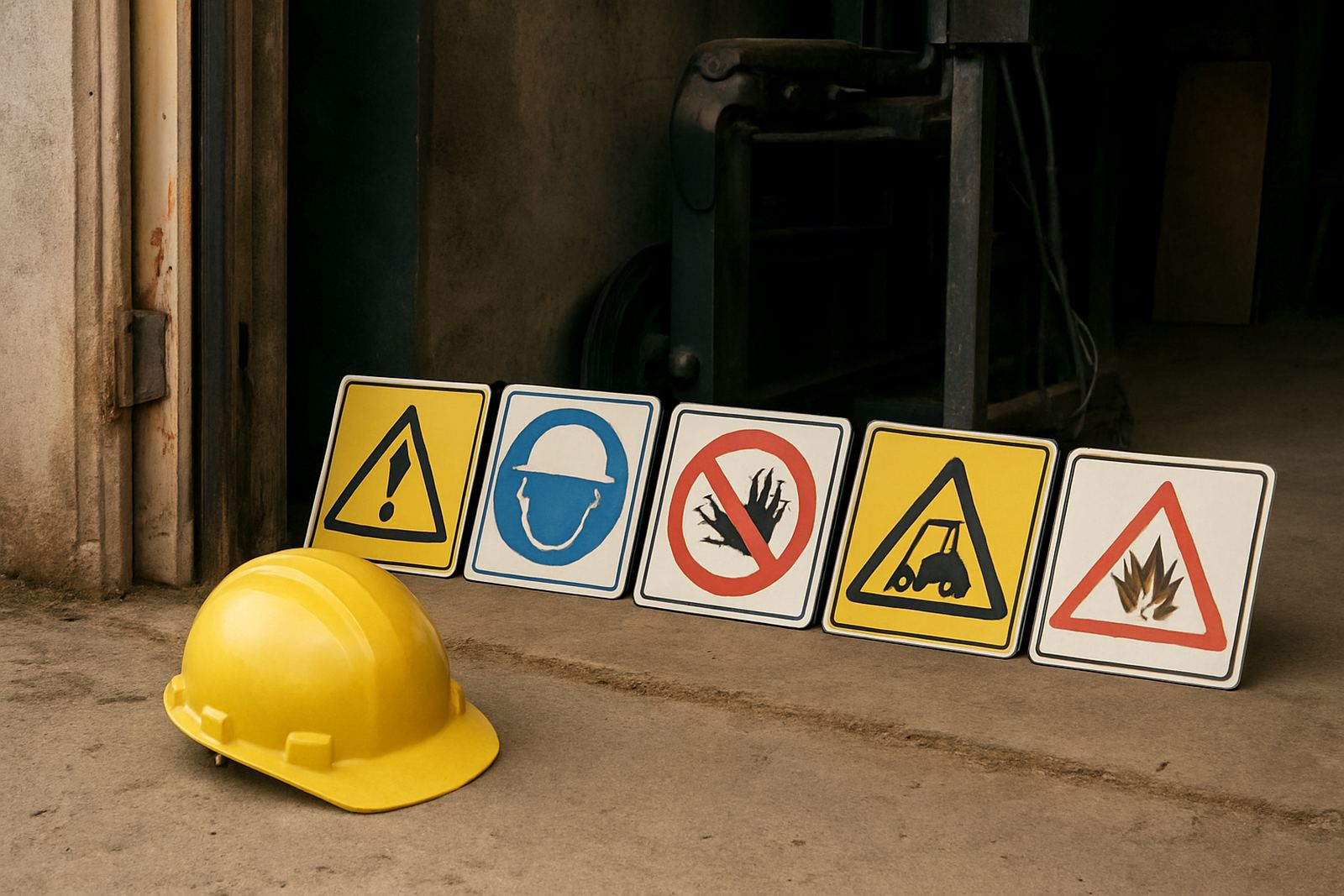
We supply the common sign types used in South African workplaces, including mandatory signs, warning signs, prohibition signs, fire action signs and directional signs. If a municipal inspector, safety officer or site manager needs information visible at a glance, the sign must be easy to read from the correct distance and fixed where people will actually see it.
- Mandatory signs for PPE, handwashing and access control
- Warning signs for forklifts, chemicals, heat, moving parts and overhead hazards
- Directional signs for exits, toilets, assembly points and loading routes
- Fire and emergency signs for extinguishers, hose reels and escape routes
Materials, sizes and finish options
Different sites need different materials. For short-term use or indoor notices, we can produce lighter signboard options that are cost-effective and quick to replace. For long-term use, we recommend rigid boards that hold their shape in sun, wind and moisture. If your sign will sit near a gate, on a boundary wall, in a warehouse aisle or beside an outdoor plant room, the finish and substrate matter just as much as the wording.
Common sizes start from A5 and A4 for smaller notices, then move up to A3, 450 x 600 mm, 600 x 900 mm and larger custom formats. We also make cut-to-size signs for specific brackets, posts and wall spaces. Finishes can include matt or gloss lamination, drilled holes for fixing and rounded corners where the sign needs a cleaner edge and less risk of lifting.
- Rigid board for permanent indoor and outdoor use
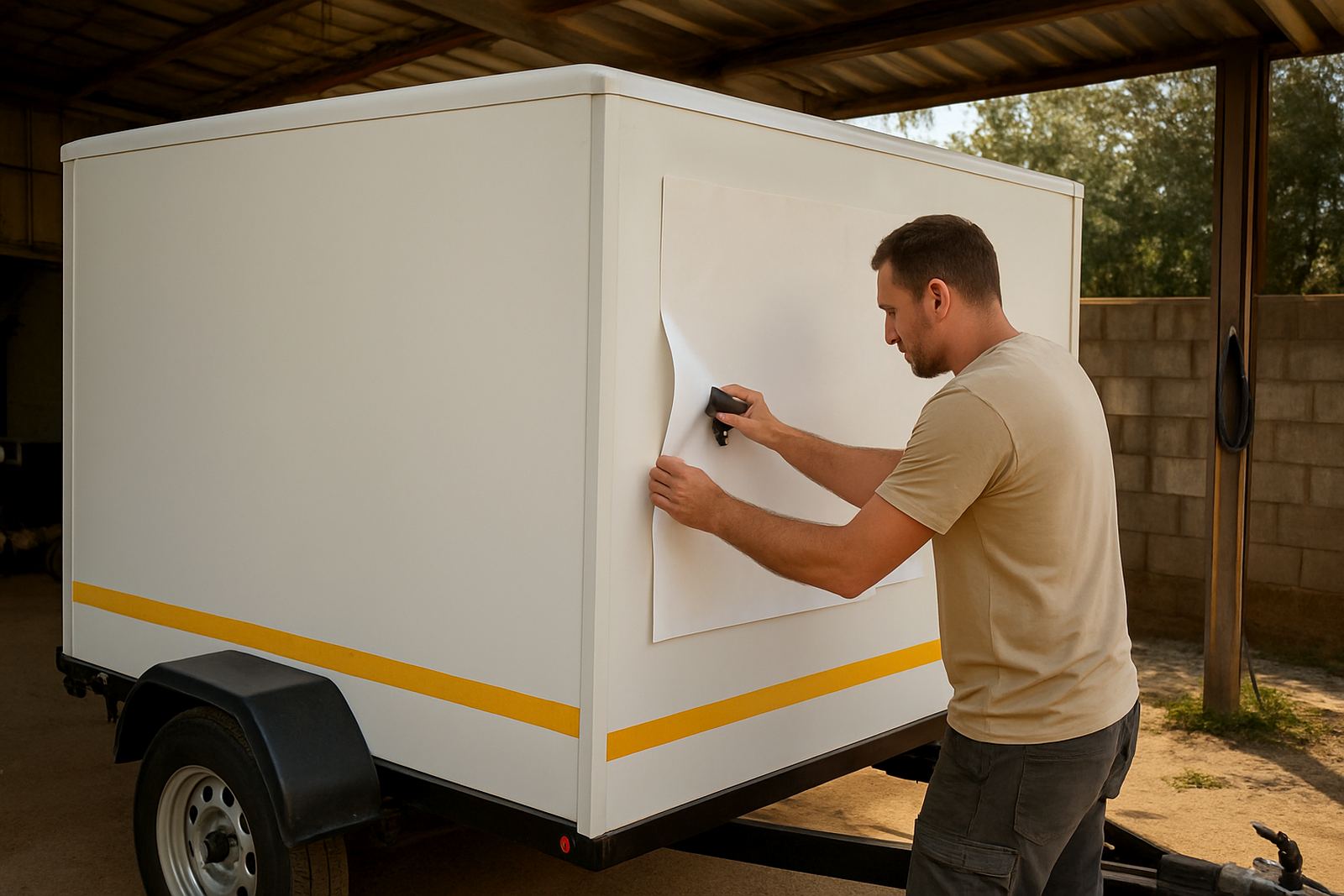
- Self-adhesive vinyl for smooth surfaces and panels
- Laminated print for extra surface protection
- Correx-type lightweight board for temporary notices and event sites
Where these signs suit best
Safety signs suit any site where people, vehicles and equipment move in the same space. We supply businesses in Paarl, Wellington, Franschhoek, Worcester, Malmesbury and surrounding Boland areas that need clear site control without overcomplicating the layout. That includes workshops, farms, packhouses, warehouses, retail stockrooms, schools, clinics, storage yards and construction sites.
On coastal or dusty sites, signs need to be easy to wipe down and fixed so that wind or vibration does not loosen them. In areas with load-shedding or back-up generators, emergency signs must stay visible even when the main power is off, so placement near exits and illuminated zones is worth planning carefully.
- Workplaces with forklifts, delivery vehicles or pedestrian walkways
- Farm entrances, sheds, abattoirs, cold rooms and packhouses
- Building sites, maintenance zones and temporary access routes
- Public facing areas where visitors need clear direction
Installation, mounting and site conditions
Most safety signs are mounted with screws, stand-offs, rivets, cable ties, sign brackets or strong adhesive depending on the surface. We can prepare signs for wall fixing, fence mounting, post mounting or indoor panel placement. For vehicle areas and external gates, we usually suggest mechanical fixing rather than adhesive alone, especially where heat, dust or vibration is part of everyday use.
Some sites need more than just the sign itself. If a sign sits outdoors near power equipment, lighting or a generator enclosure, the site should allow safe access for fitting and maintenance. For signs that indicate gas storage, oxygen cylinders, flammable liquids or electrical isolation points, check that the location is clear, not blocked by crates, bins or parked vehicles, because hidden signs are not much use.
We can also produce sign sets for a full site, so the same style, colour coding and wording is used throughout the property. That helps staff and visitors read the layout quickly instead of guessing from sign to sign.
Power, gas and hazard-related signage
Some safety signs are linked to power or gas areas and need extra care when specifying. If your sign is for an electrical room, generator shed, gas cage or fuel point, the wording must be precise and the location must match the actual hazard. A sign that says one thing while the area has changed can create confusion, especially during shutdowns or repairs.
For these areas, we can make signs for isolation points, switch rooms, emergency shut-off valves, fire equipment and restricted access. Where a site uses gas cylinders or flammable storage, the sign should be visible from approach paths and not tucked behind a door or rack. If your site has temporary power or a contractor section, it may also need updated notices for lockout procedures and visitor controls.
- Electrical room and switchgear notices
- Generator and backup power signage
- Gas cylinder storage and flammable material warnings
- Emergency shut-off and fire point identification
Care, replacement and servicing over time
Safety signs last longer when they are cleaned, checked and replaced before they become hard to read. Dust, sun, salt air and chemical spray can fade print or leave a surface dull, especially on outdoor boards. A quick monthly check is usually enough for most sites: look for peeling corners, cracked board edges, missing fixings and signs blocked by stock or equipment.
If your rules change, your floor layout moves or your emergency route gets updated, the signs should change too. That is common in workshops and growing businesses where aisles are re-marked and storage areas shift. We can help with reprints, updates and sign refurbishment so you do not need to replace a whole site set when only a few notices have changed.
What to check before you order
Before you place an order, it helps to confirm exactly what the sign must say and where it will go. The best results come from a clear brief with the final wording, size, mounting surface and whether the sign is for indoor or outdoor use. If the sign must meet a site rule or safety standard, send the exact wording so we can match it properly and avoid rework.
We also recommend checking how far away people must read the sign, because that affects the size and layout. A small notice near a door is different from a yard sign seen from a vehicle. If the site has colour restrictions, low lighting, reflective needs or a special orientation, mention that upfront. That saves time and helps the sign do its job properly.
- Final wording and any mandatory symbols required
- Indoor or outdoor location, plus mounting surface
- Viewing distance and preferred size
- Need for drilled holes, adhesive or a custom shape
From our base in Paarl, we supply safety signs for businesses and sites across Wellington and the wider Boland. If you need a single warning board or a full set of directional and mandatory signs, we can produce it to fit the space and the conditions on site.
Key facts
| Product type | Mandatory, warning, prohibition, fire and directional safety signs |
|---|---|
| Common sizes | A5, A4, A3, 450 x 600 mm, 600 x 900 mm and custom |
| Material options | Rigid board, self-adhesive vinyl, laminated print and temporary board |
| Fixing options | Screws, rivets, stand-offs, cable ties, brackets or adhesive |
| Best use | Workplaces, farms, warehouses, workshops, construction sites and public areas |
| Servicing | Reprints, updates, refurbishment and replacement for worn signs |