
Choose the right safety sign for the job
The first step is knowing what the sign must do. Some signs warn of danger, some show a mandatory action, and others direct people to exits, fire points or first aid. In warehouses, schools, farms and factory yards around Paarl, Wellington and the wider Boland, a sign only works if people can understand it at a glance.
For general areas, use clear text and a simple symbol. For noisy spaces or places with mixed languages, pictorial signs help. If the message must be seen from a vehicle, from across a yard, or in low light, the size and finish matter just as much as the wording. A small sign in the wrong spot is easily missed, especially near loading bays or entrances with a lot of movement.
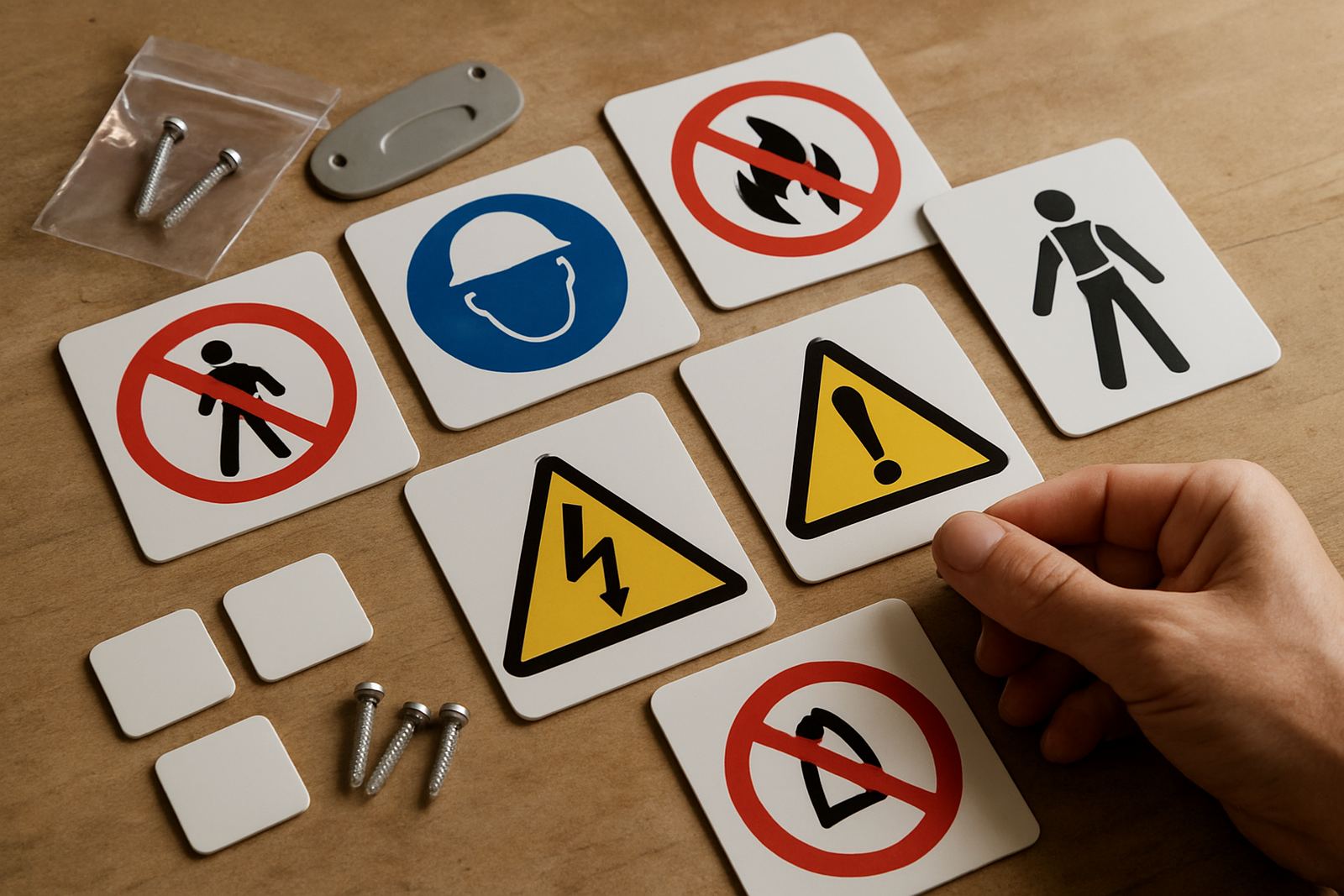
- Warning signs: for hazards such as moving machinery, uneven ground, or high voltage areas.
- Mandatory signs: for PPE, visitor control, and hand wash instructions.
- Prohibition signs: for no smoking, no entry, and restricted access zones.
- Emergency signs: for exits, fire equipment, muster points, and first aid.
Materials that suit South African conditions
Material choice depends on where the sign will live. Indoors, a printed vinyl on board may be enough for a reception, corridor, or storeroom. Outdoors in Paarl, Wellington, Stellenbosch or Worcester, the sign needs to deal with sun, dust, wind and the odd bit of rain blowing in sideways. Coastal humidity is less of a concern inland, but UV and heat still take their toll on cheaper boards.
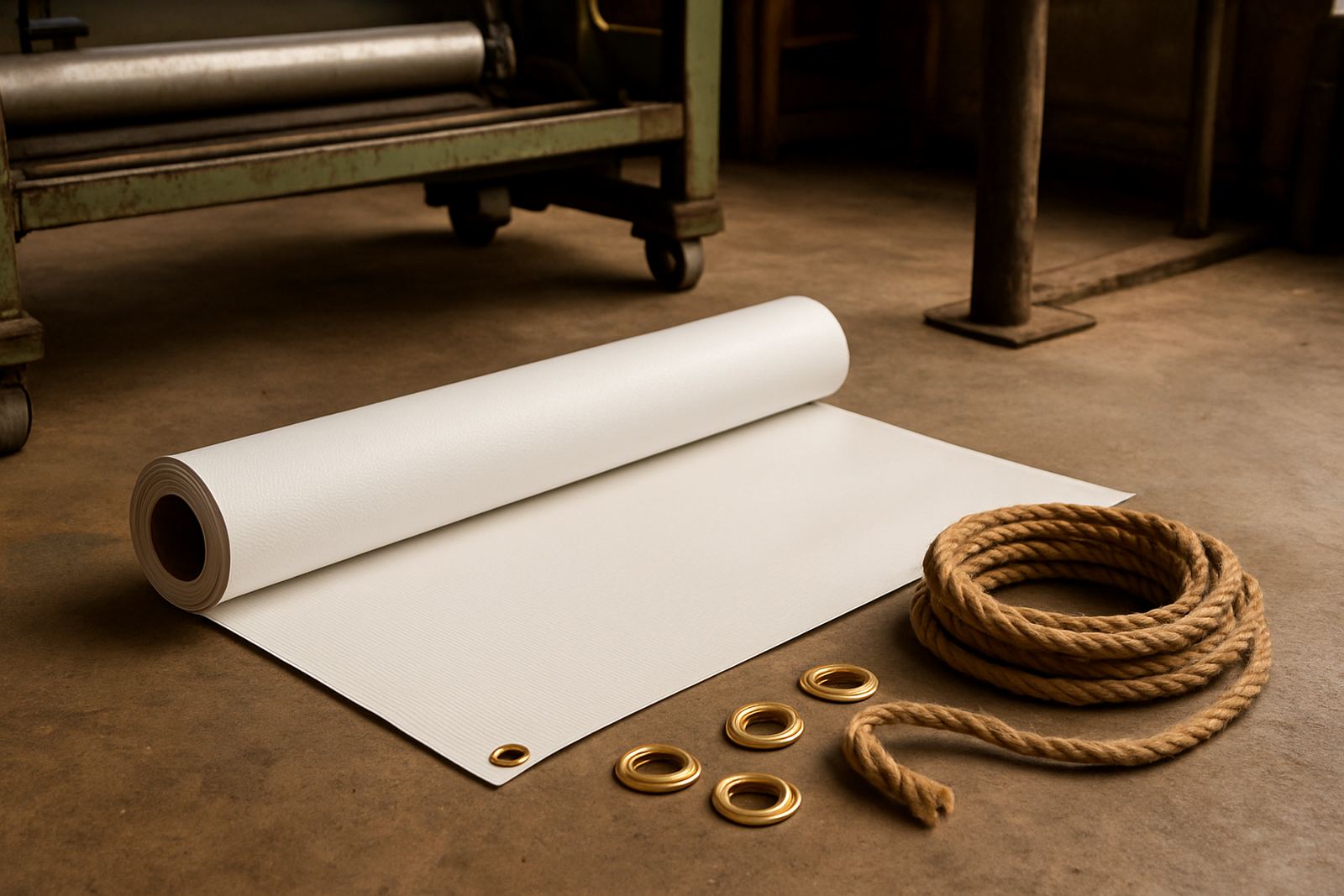
For long-term outdoor use, aluminium composite board, rigid plastic board, or properly mounted metal signs give better service. If the sign will sit on a wall that gets direct afternoon sun, ask for UV-stable print and a protective laminate. Lamination helps with cleaning and makes the surface easier to wipe down after dust or fingerprints. For short-term notices, a printed banner or adhesive vinyl may be fine, but it should still be finished neatly so edges do not lift.
- Rigid board: best for fixed wall signs, site notices, and directional boards.
- Self-adhesive vinyl: useful for doors, windows, machines, and smooth panels.
- Reflective or high-visibility film: helpful for low-light areas and vehicle use.
- Laminate: adds protection against scratches, cleaning, and sun fade.
Mounting options that keep signs readable
Where you mount a sign is as important as what it says. A safety sign should sit in the natural line of sight, not tucked behind a pillar, shelf, or open gate. For walkways, place signs at eye level where people naturally look. For larger yard or perimeter signs, raise them high enough to remain visible above parked vehicles, shrubs, or stacks of stock.
Different sites need different fixings. Board mounting works well on walls, fences and posts. For smooth glass or metal panels, adhesive backing may be enough, but the surface must be clean and dry. In windy spots, use proper screw fixings or stand-off mounts so the board does not flex too much. If the sign is temporary, such as for a maintenance shutdown or event, cable ties, magnets or removable adhesive can save time and reduce damage to the surface.
- Wall mounting: for entrances, corridors, workshops, and office doors.
- Fence or post mounting: for yards, loading bays, and boundary warnings.
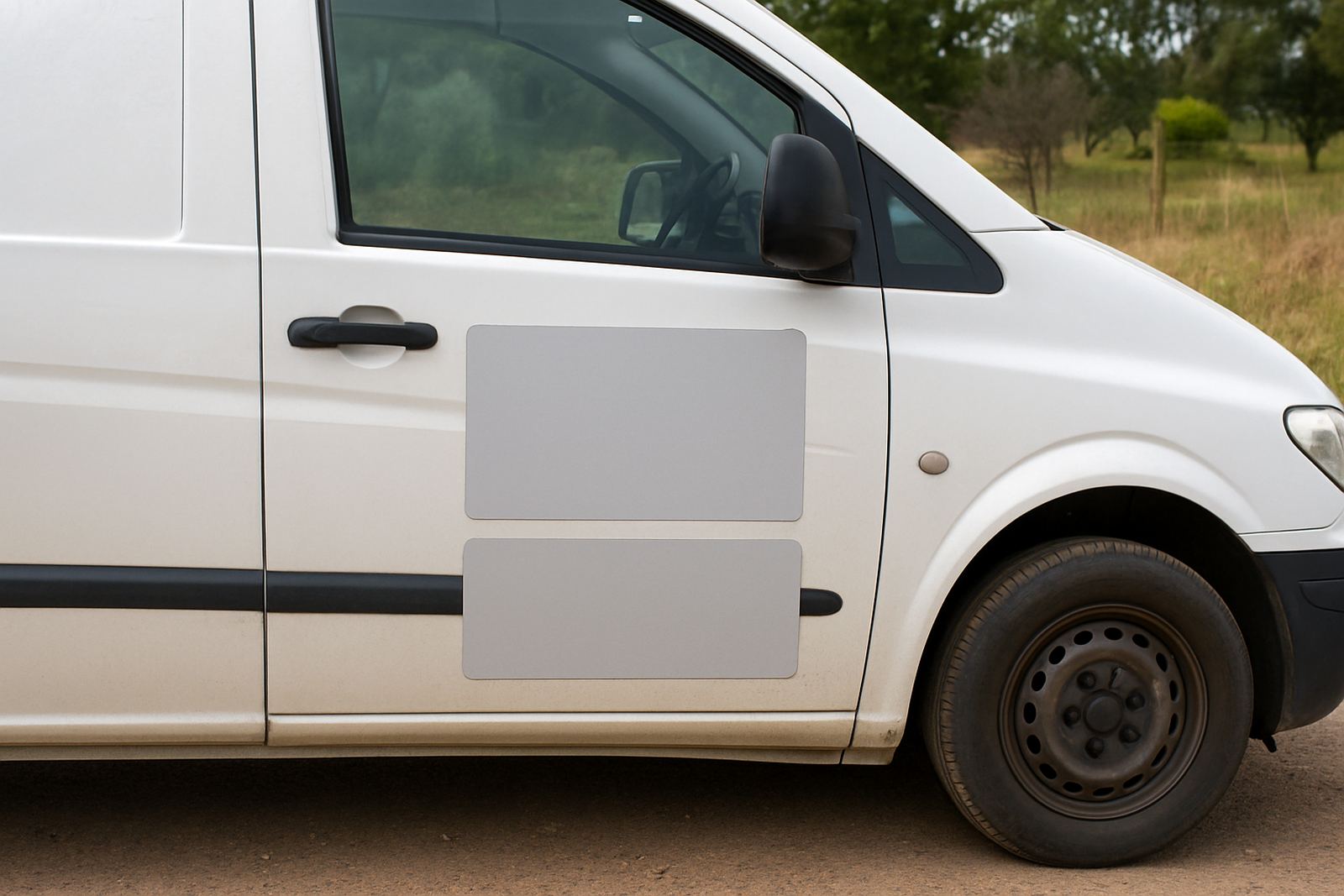
- Magnetic mounting: for vehicles, temporary notices, and metal surfaces.
- Window mounting: for glass doors, smoking notices, and emergency information.
Vehicle and machine signs that people actually notice
Many businesses in the Boland use bakkies, vans, trailers, motorbikes and plant equipment to move stock or visit sites. Those vehicles often need warning signs, asset labels, operating instructions or branded decals. A vehicle sign must hold up to road grime, washing, sun and vibration. On a work vehicle, it should also sit where the driver can still see out properly and where door gaps, handles and curves do not distort the message.
For machinery, place instructions close to the control point or danger area, but not where hands or moving parts will rub against it. If there is vibration or heat, use a more suitable film and adhesive. On motorbikes, keep the decal size practical so it remains legible without crowding the bodywork. For fleet work, it often helps to standardise sizes and positions across all vehicles, which makes updates easier later on.
A common mistake is using a sign that is too small for moving traffic. If a driver must read it from a distance, increase the text size and simplify the wording. A sticker that looks fine in the workshop can disappear once the vehicle is on the road in bright sun and dust.
A simple checklist before you order
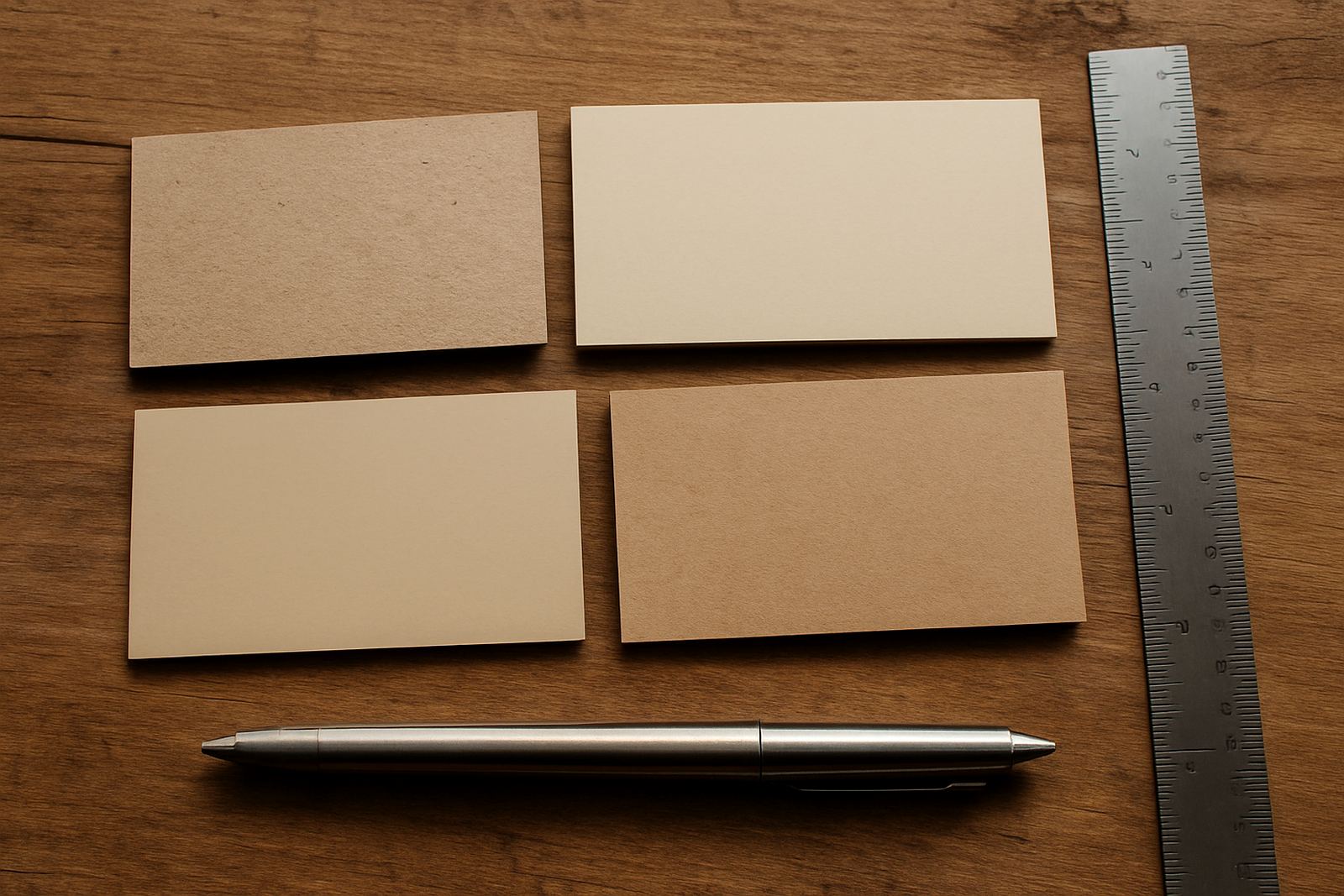
Before printing, check the message, the size, the fixing method, and the place where the sign will be used. This saves time and avoids reprints. It also helps when you need more than one version, such as a permanent sign for the main gate and a temporary one for maintenance work. If a site has several entrances, make sure the same message is repeated where people will first see it.
When you prepare artwork, keep the wording short and direct. Use clean artwork, correct spellings, and the right logo or symbol set if branding is needed alongside the safety message. If there are legal or site-specific rules, include them before production starts. It is easier to check a proof than to replace a panel later on, especially when the sign has already been mounted.
- Confirm the exact message and language.
- Measure the space available for the sign.
- Decide if it is indoor, outdoor, or vehicle use.
- Choose the fixing method: wall, post, magnet, adhesive or stand-off.
- Check if the sign must be reflective, laminated or weather resistant.
- Plan for future updates if site rules change.
When to refurbish, reprint or replace
Safety signs do not last forever. If the face is faded, scratched, bent, or the message no longer matches the site, it is time to update it. On busy premises, even a good sign can get worn by cleaning, dust, and handling. In coastal or high sun areas, outdoor material can deteriorate faster, so a regular inspection makes sense. A faded sign is not just untidy, it can cause confusion and delays.
Some signs only need a fresh print face or updated vinyl, while others need a new board and better mounting. If a fire point moves, a machine is replaced, or a site layout changes, the old sign should come down rather than being left in place. A well-placed replacement is better than two conflicting signs side by side. That sort of thing causes more head-scratching than it should.
For businesses across Paarl, Wellington, Stellenbosch, Franschhoek, Worcester, Malmesbury, Klapmuts and Simondium, a practical safety sign plan keeps people informed and reduces unnecessary risk. The aim is simple: the right message, on the right material, fixed in the right place, and easy to read when it matters.